November 2020 update: It is starting to look as if these wheels were not made by Silas Cheney of Litchfield, Connecticut. In researching a possible link between Cheney and the Maine Shakers, it became apparent that there is no actual evidence that Silas Cheney made spinning wheels. It is more likely that these wheels were made by a different Cheney in Maine or New Hampshire. I will write a post at a later date with the new research. In the meantime, I will leave this original post intact, with this warning that it may not be accurate.
Original post:
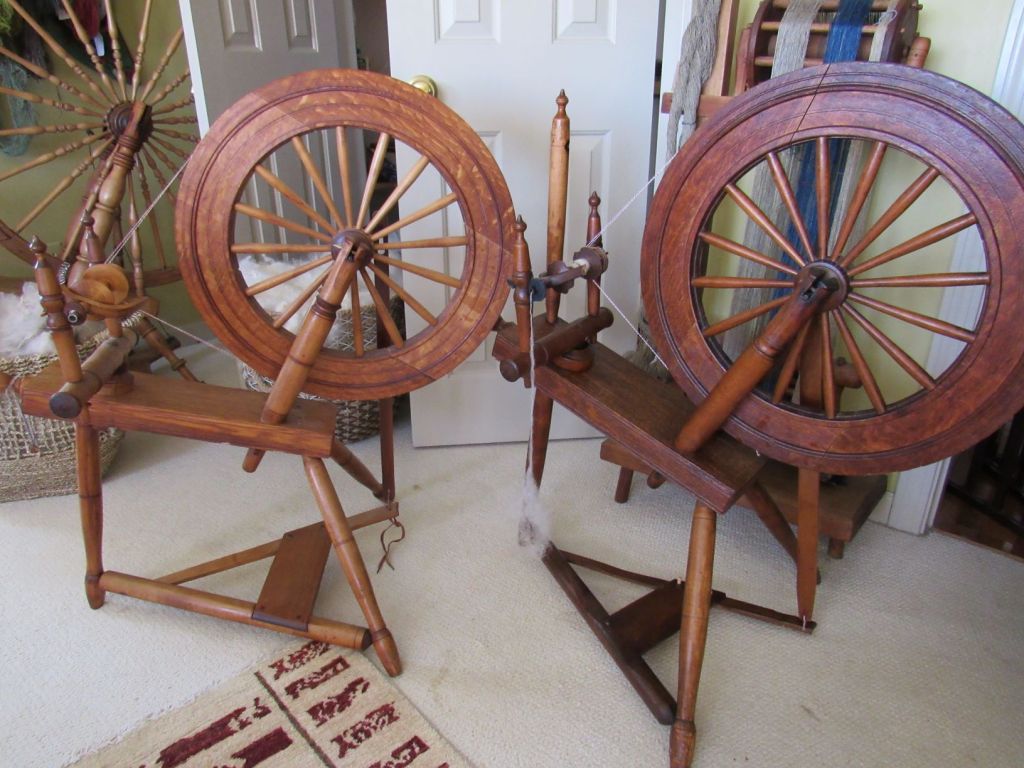
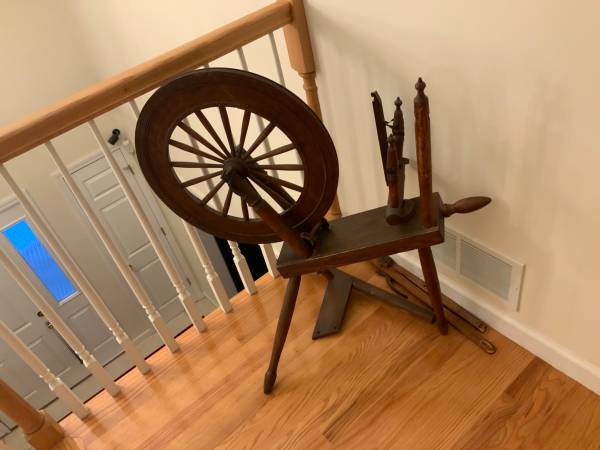
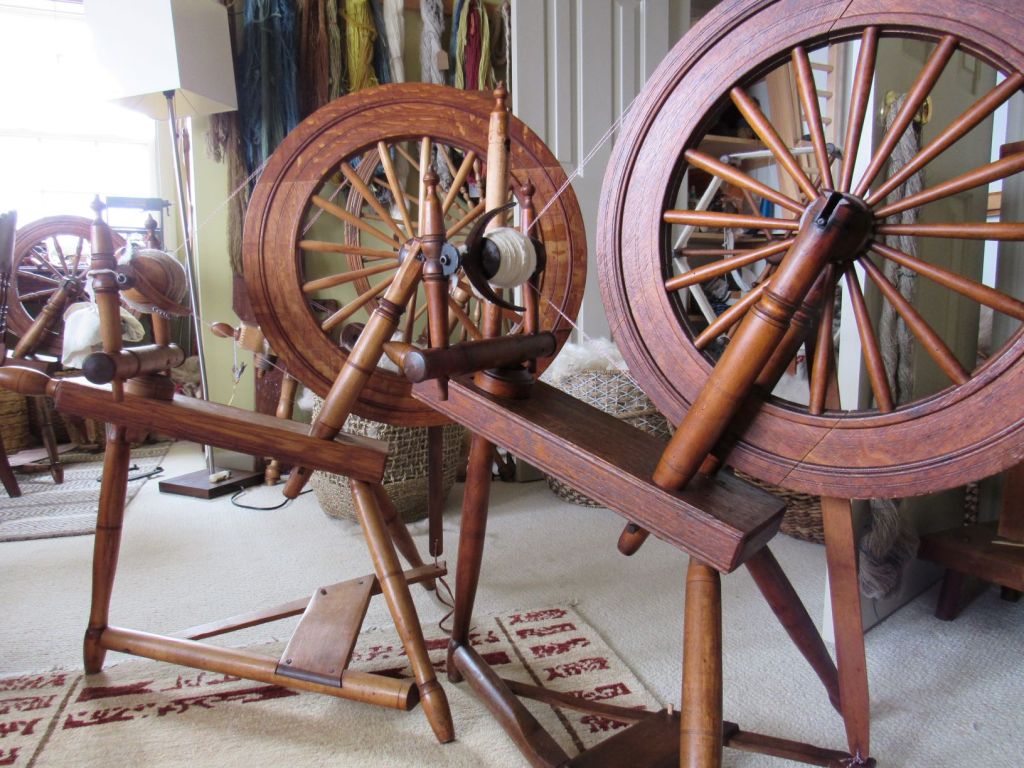
These two beautiful wheels were made by Silas Cheney (1776-1821) in Litchfield, Connecticut. Cheney came from a family of furniture and clock makers and, in his relatively short life, became a very successful and well-known furniture maker. By 1800, at the age of 24, he was creating high-end furniture—with stylish veneers and inlays—for affluent customers in a prosperous economy. According to the Litchfield Historical Society, which has some of Cheney’s day books, Cheney also did less glamorous, bread-and-butter work, including odd jobs, repairs, and making rake handles.
Presumably, his spinning wheels fell somewhere above rake handles but below inlaid sideboards in his work spectrum. As Cheney’s business thrived, he took on apprentices and specialists.
One apprentice, Lambert Hitchcock, supposedly influenced by clock makers and his time working for Cheney, came up with the idea of using interchangeable parts for chairs—and went on to become famous for mass production of his popular Hitchcock chairs.

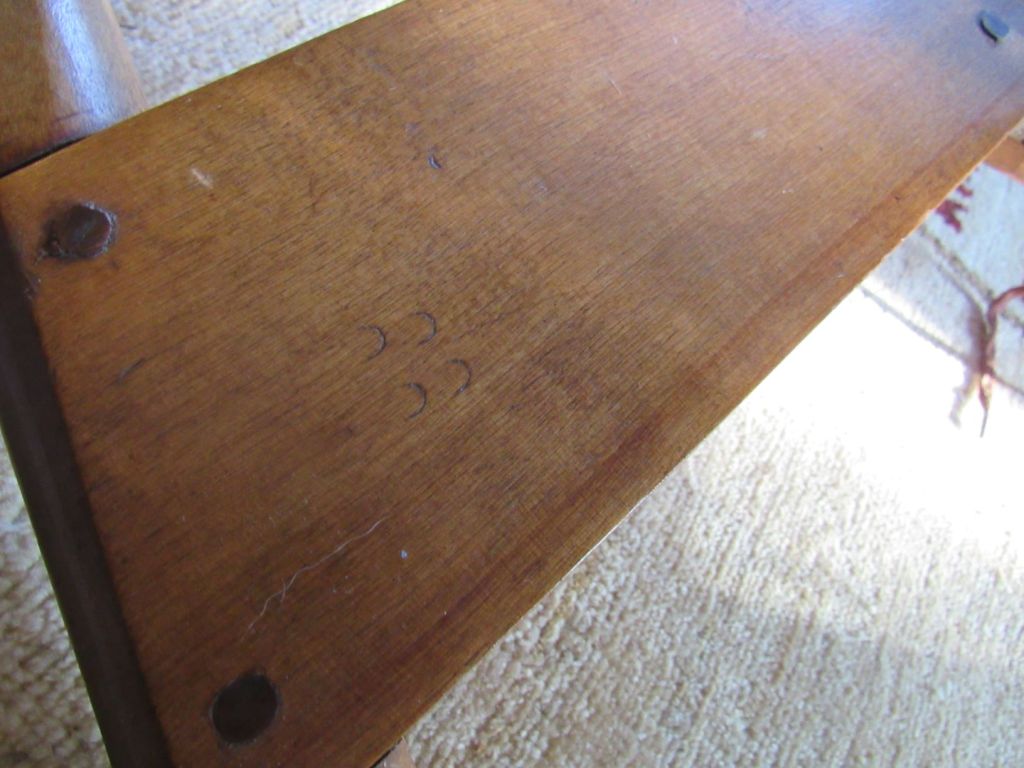
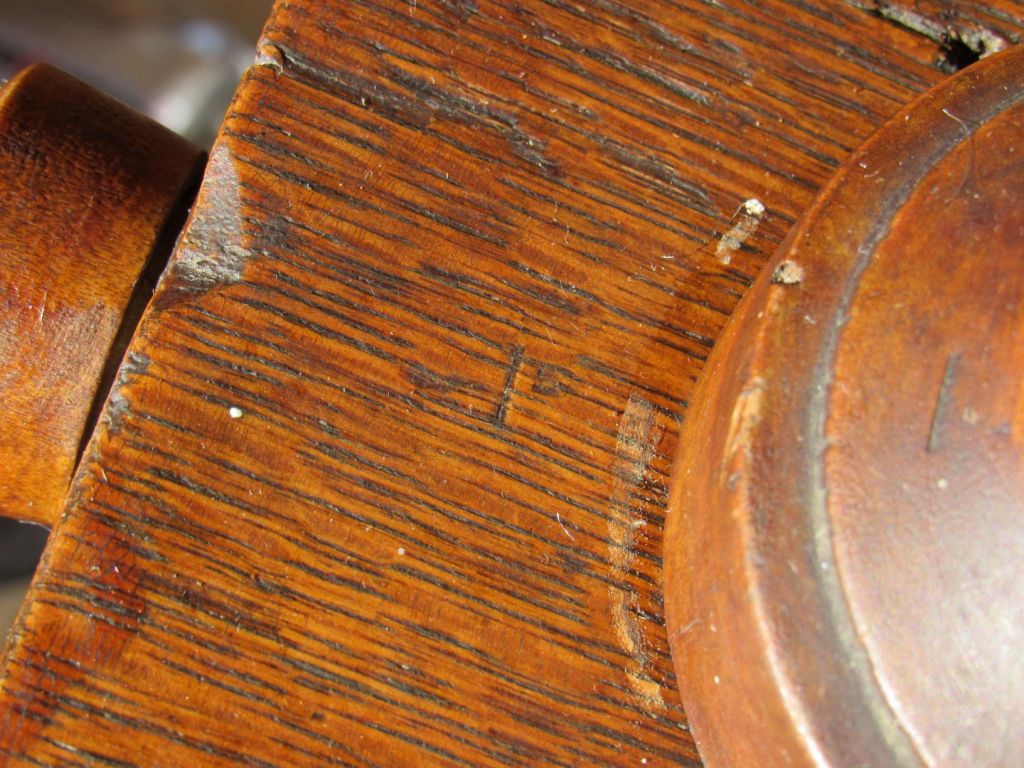
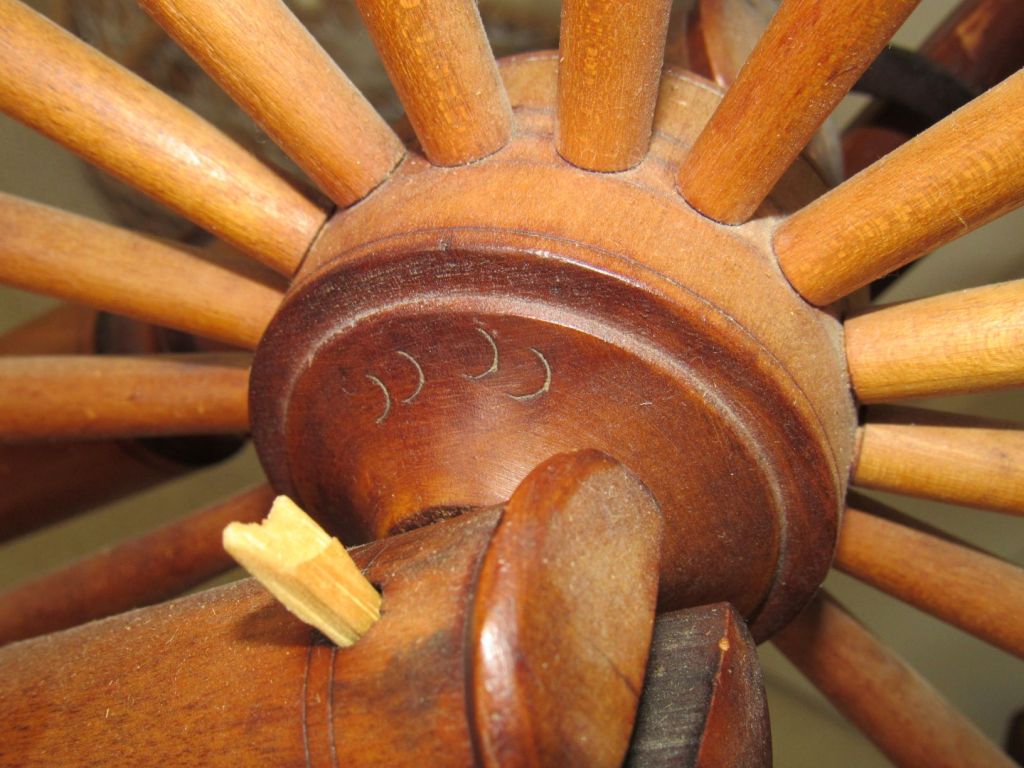
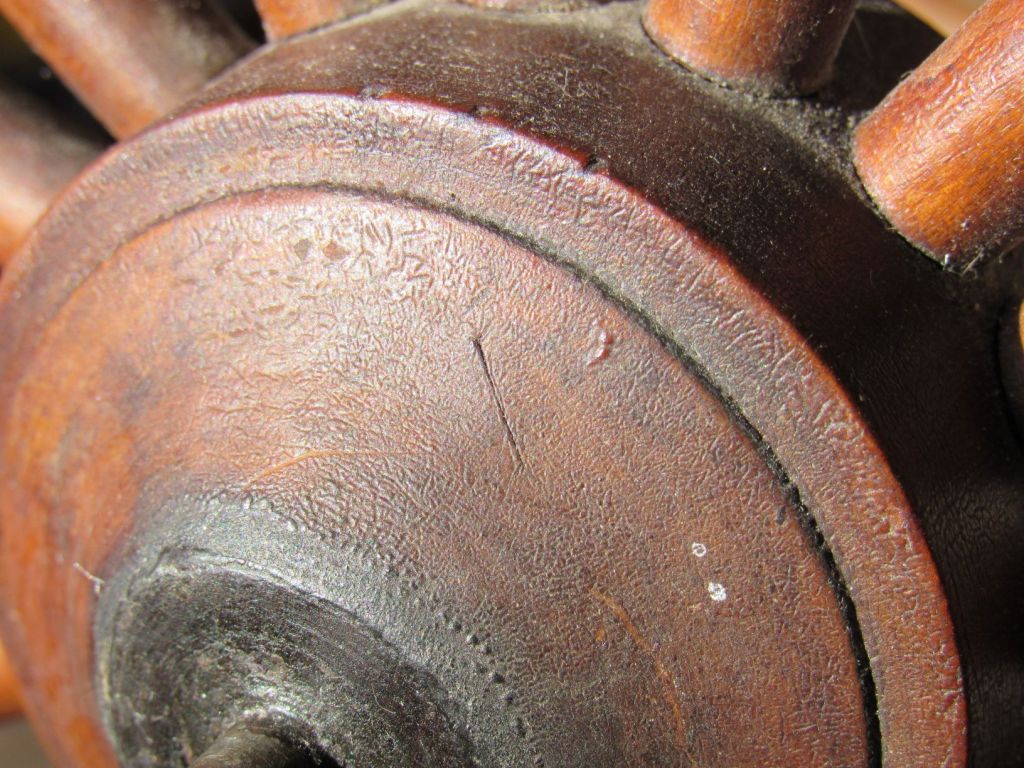
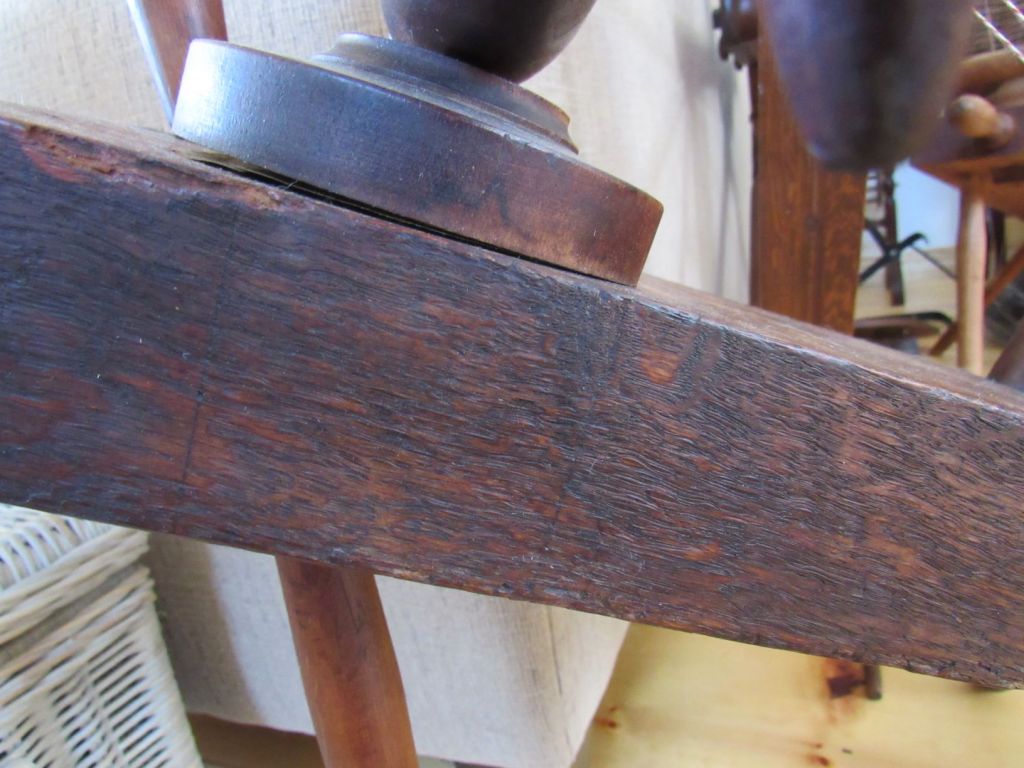
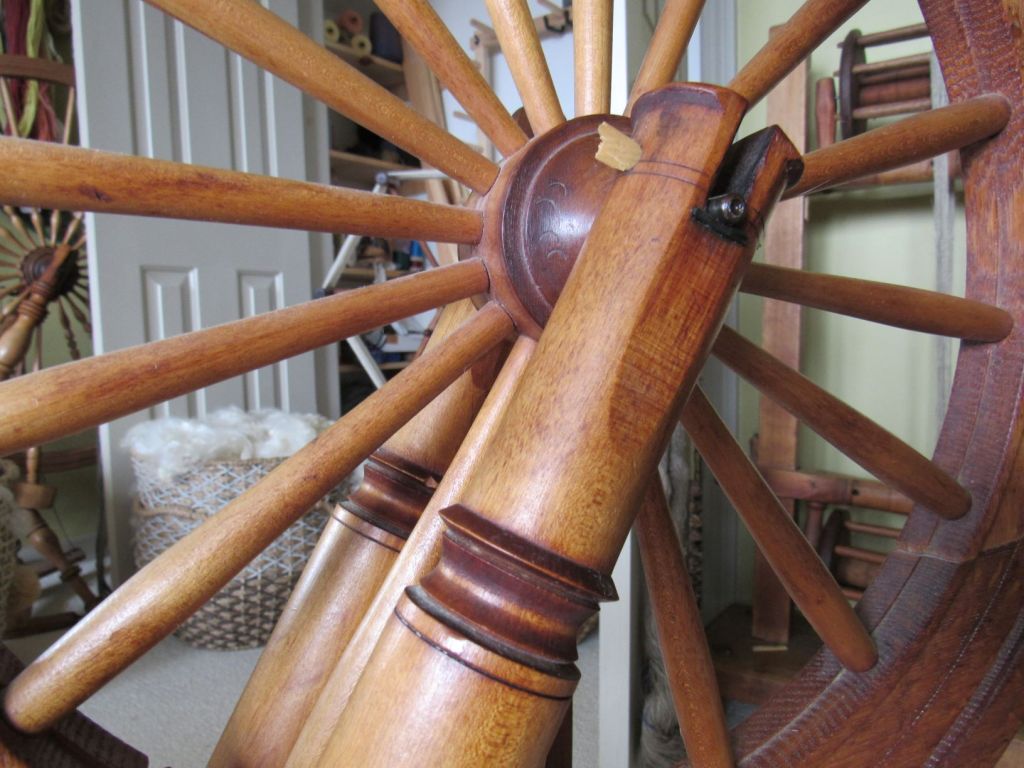
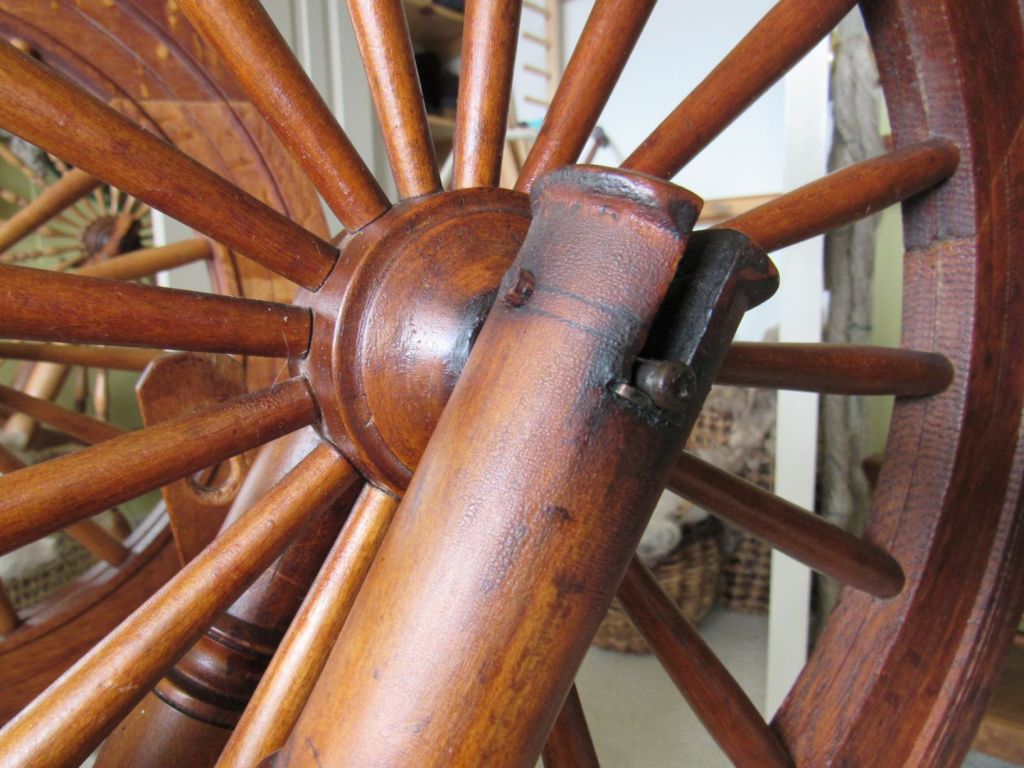
One interesting aspect of Cheney’s wheels is that parts are marked—treadle, table, tension knob, collar, hub, and flyer assembly—on my wheels with an “I” and a “CCCC.”
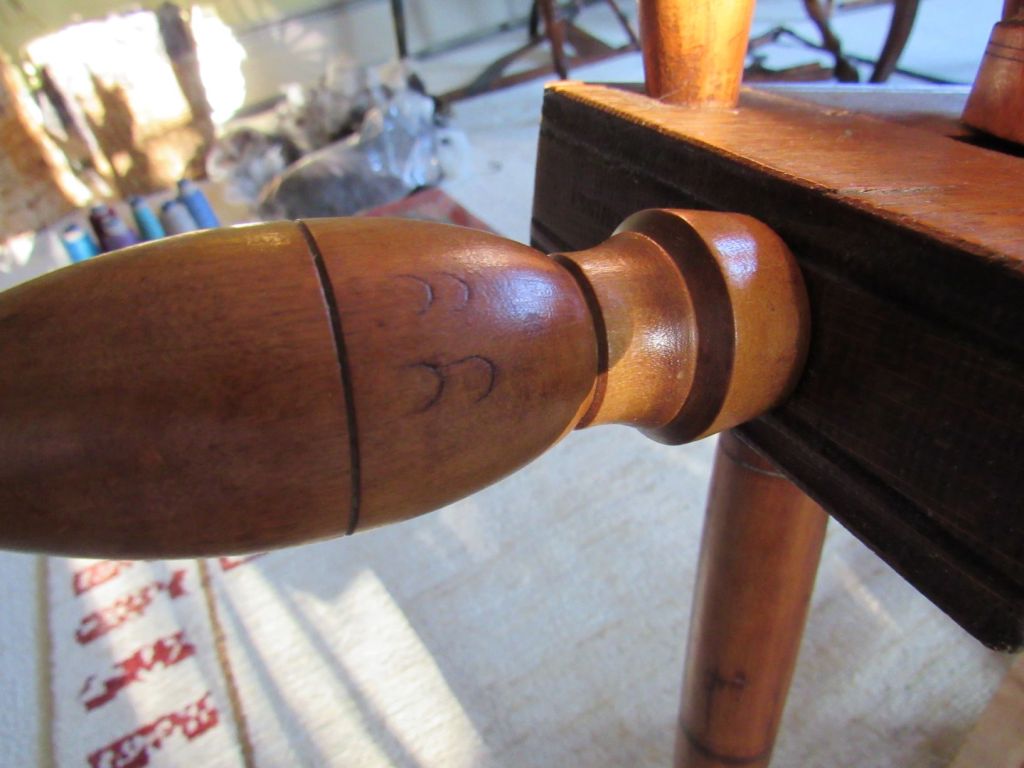
Whether the marks were for ease of assembly by multiple workers or some sort of mass production, who knows?

At some point, I’d love to go through Cheney’s day books in detail to see if they shed any light on his spinning wheels.
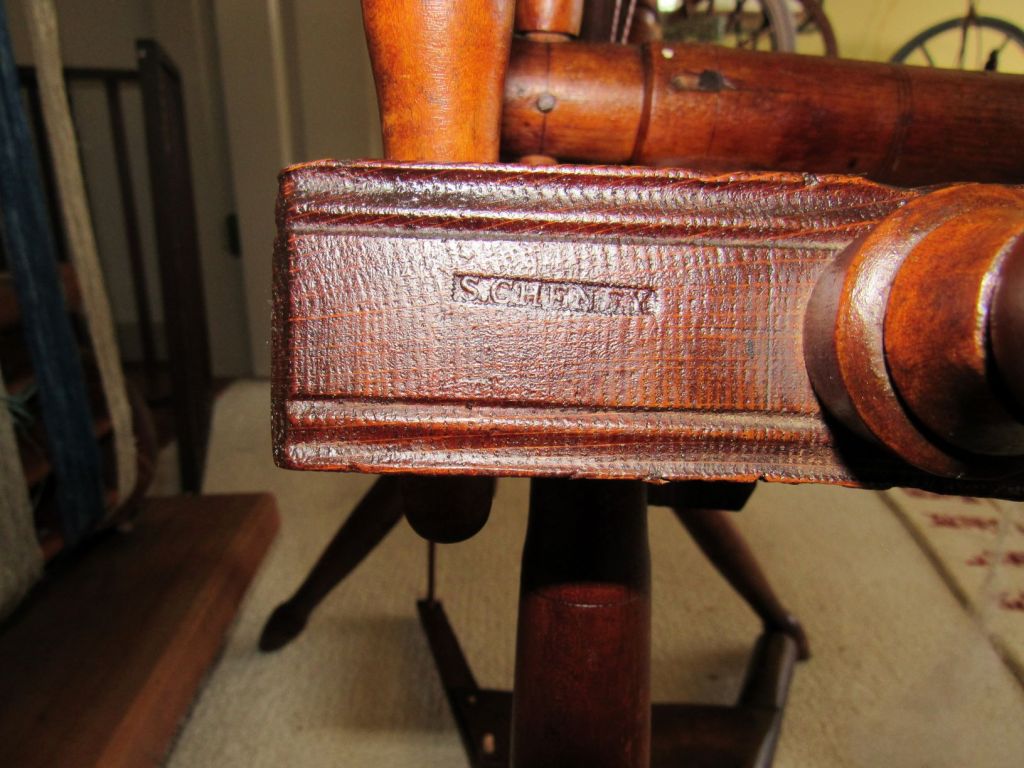
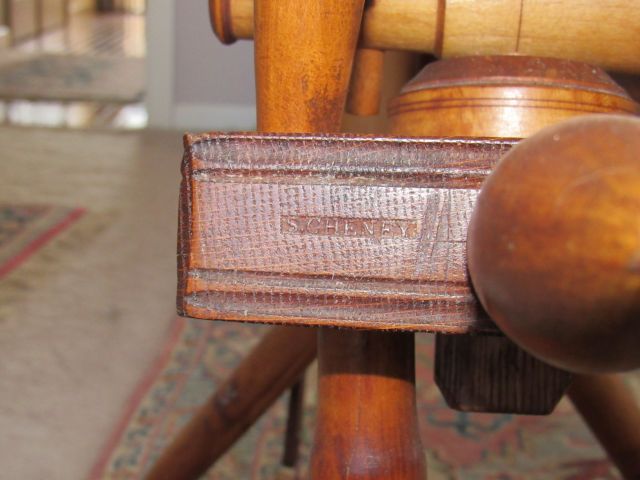
Even though Cheney did not sign his furniture, he did sign his wheels—with a tiny, hard-to-see stamp on the end of the table. Chancey’s seller said there weren’t any maker’s marks on the wheel until I asked her to go back and look again–and showed her a photo of where the mark should be.
The style of Cheney’s wheels is entirely different from other Connecticut wheelmakers of the time. For example, the wheels of Solomon Plant and J. Platt in previous posts show the typical style, with ornate turnings, black bands, and chip carvings.
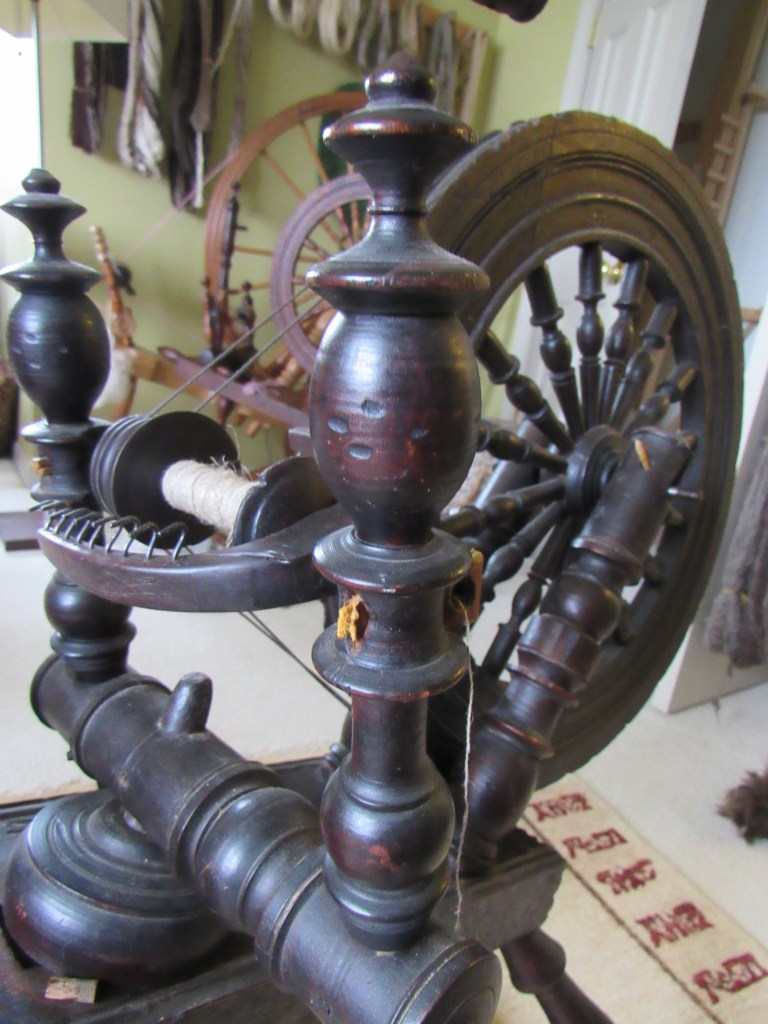
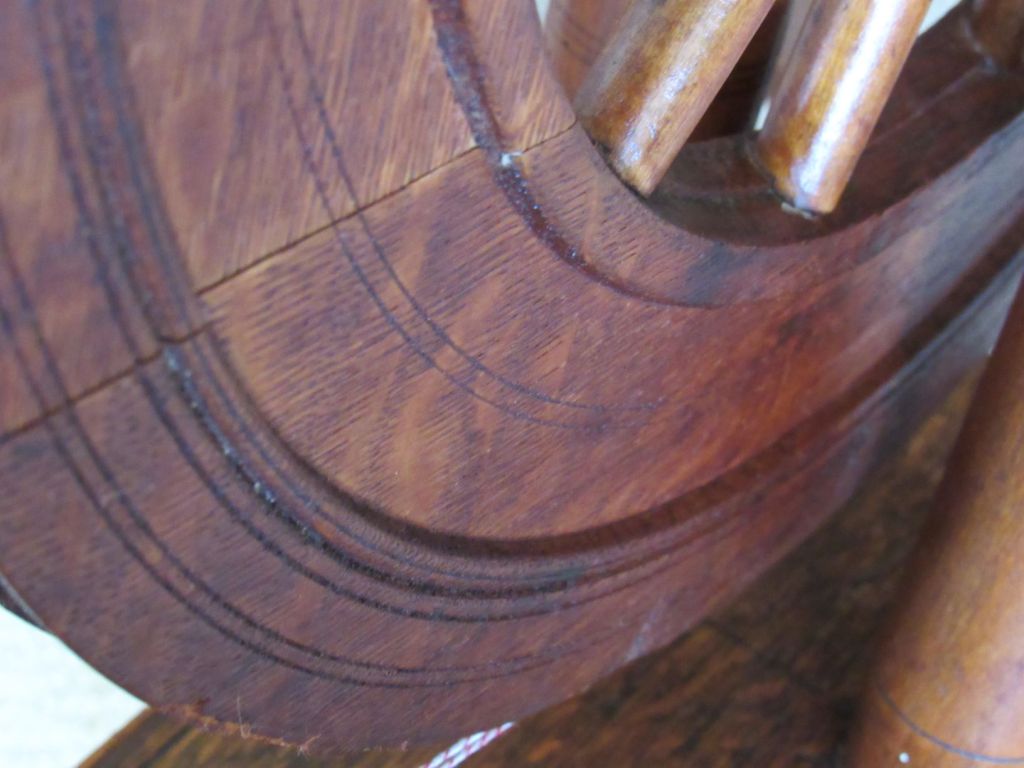
They look fussy and overdone compared to Cheney’s wheels, which have a sleek, minimalist look, highlighting gorgeous wood and design.

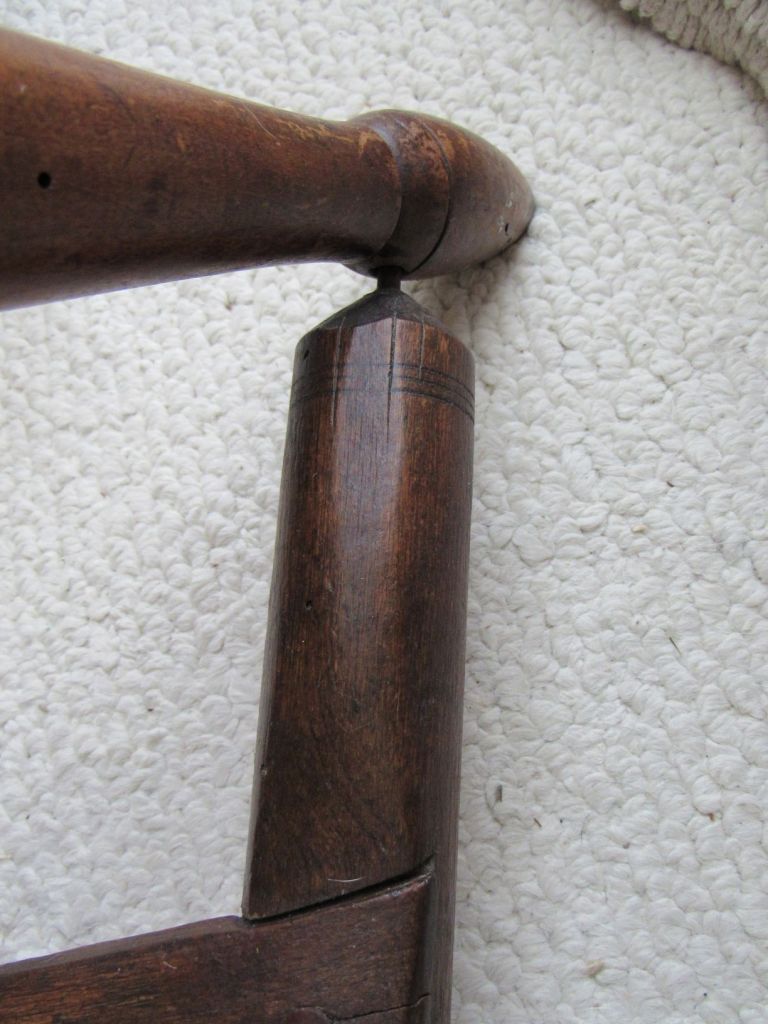
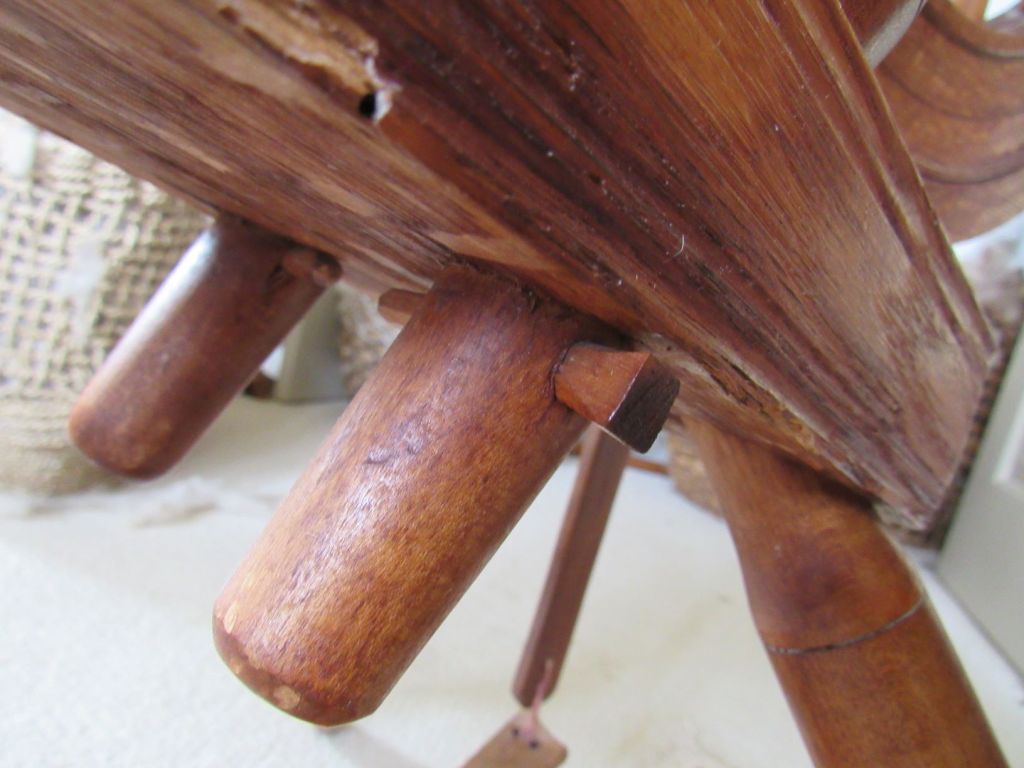
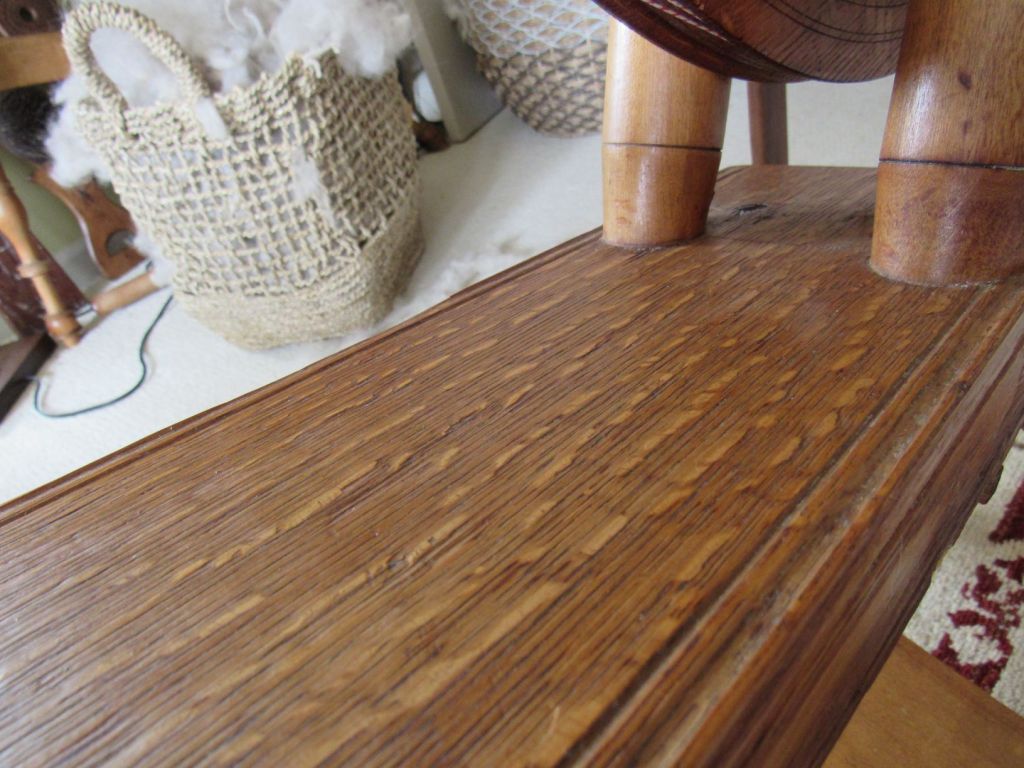
On the other hand, Cheney’s wheels have some intriguing similarities to wheelmakers farther north. The scribing under the table of Cheney’s flax wheels and the chamfering of the leg holes are fairly unusual, but very much like the Morison wheels (in Vermont and upstate New York).
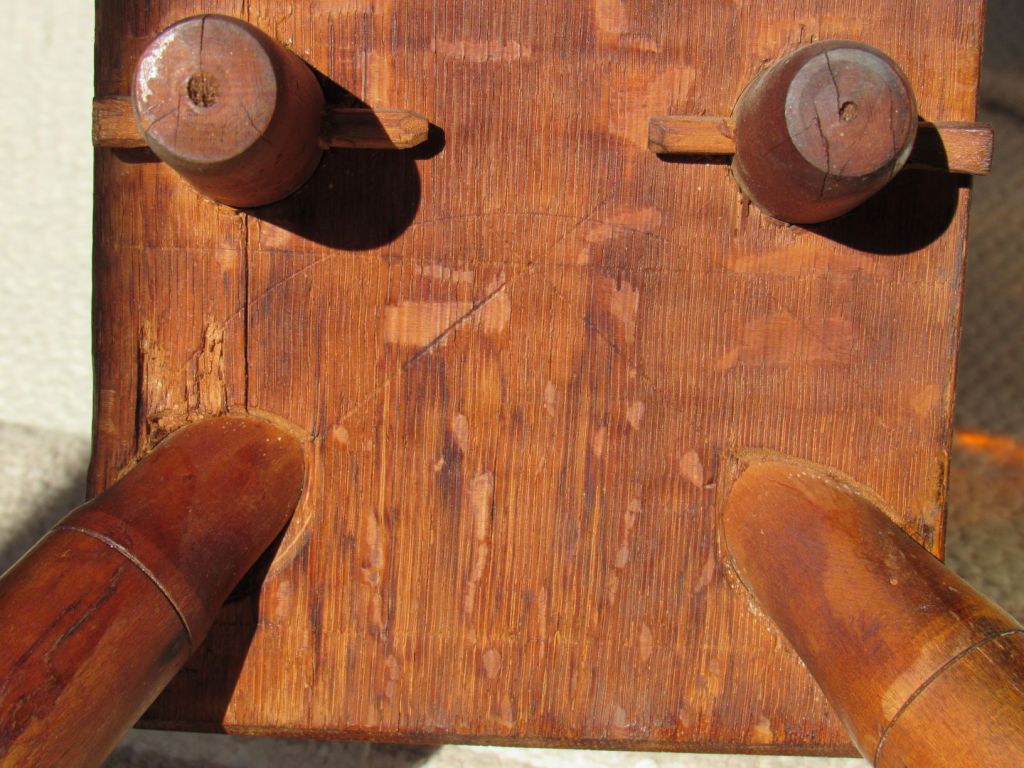
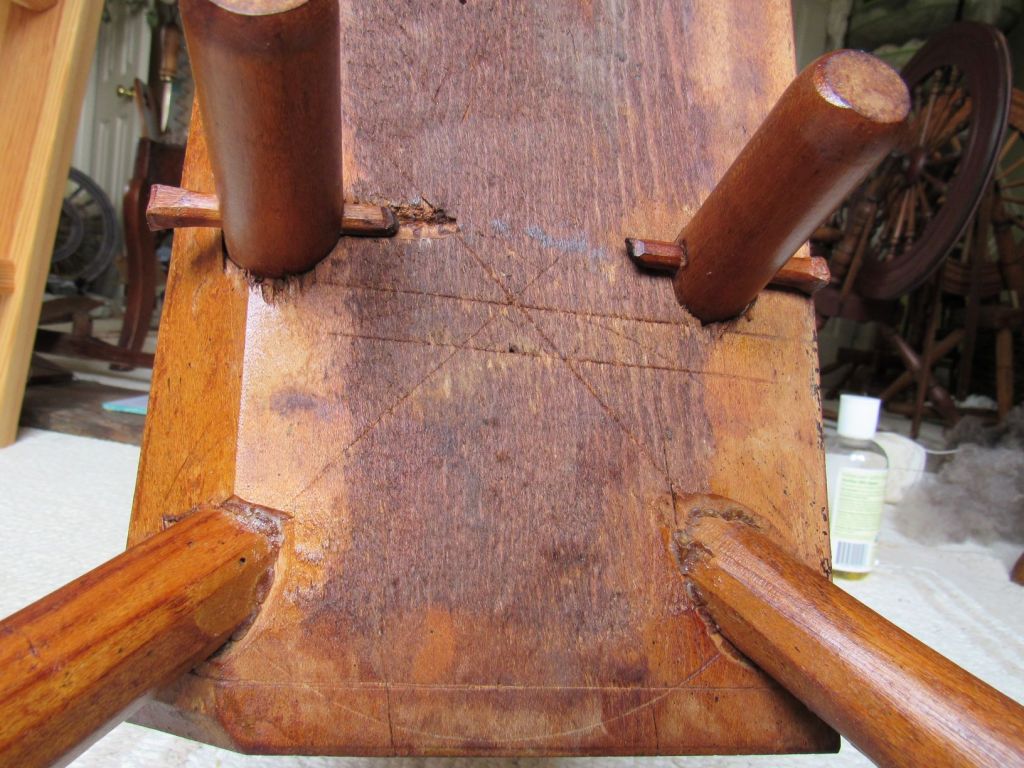
Even more interesting is the similarity to Maine Shaker wheels, particularly those made at Sabbathday Lake and Alfred Lake.

The maidens have the same tops, but the SRAL’s are curvier down below. The maidens on the Sabbathday Lake wheels are even closer to Cheney’s in style.
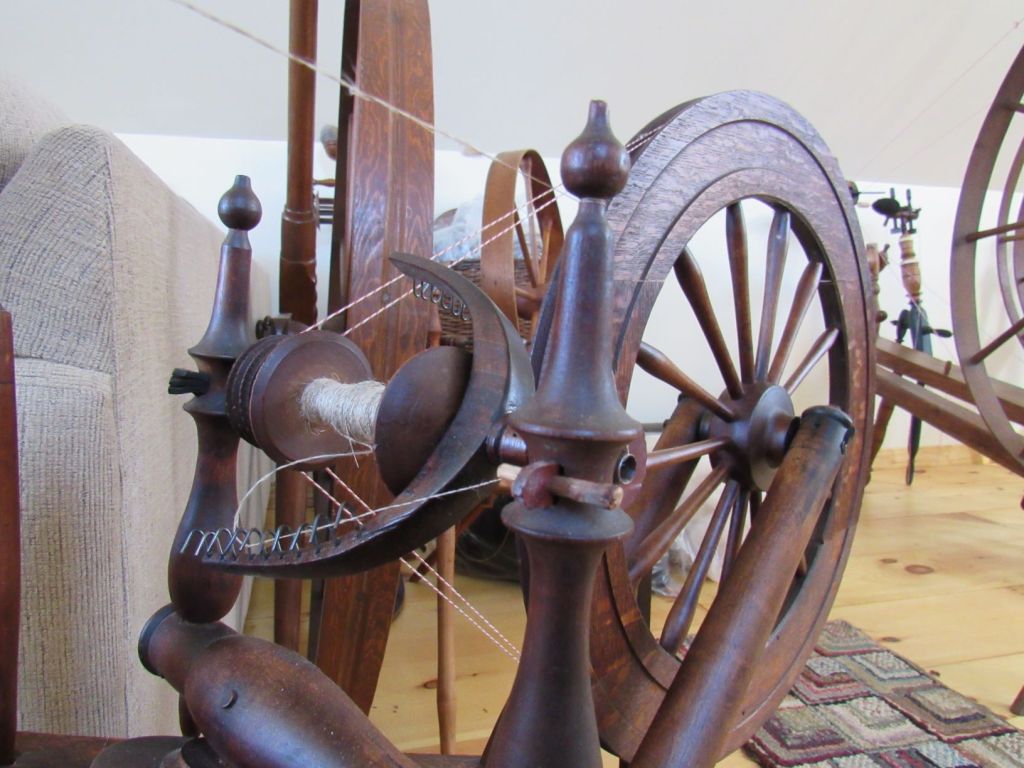
the scribe lines for the collar are the same,
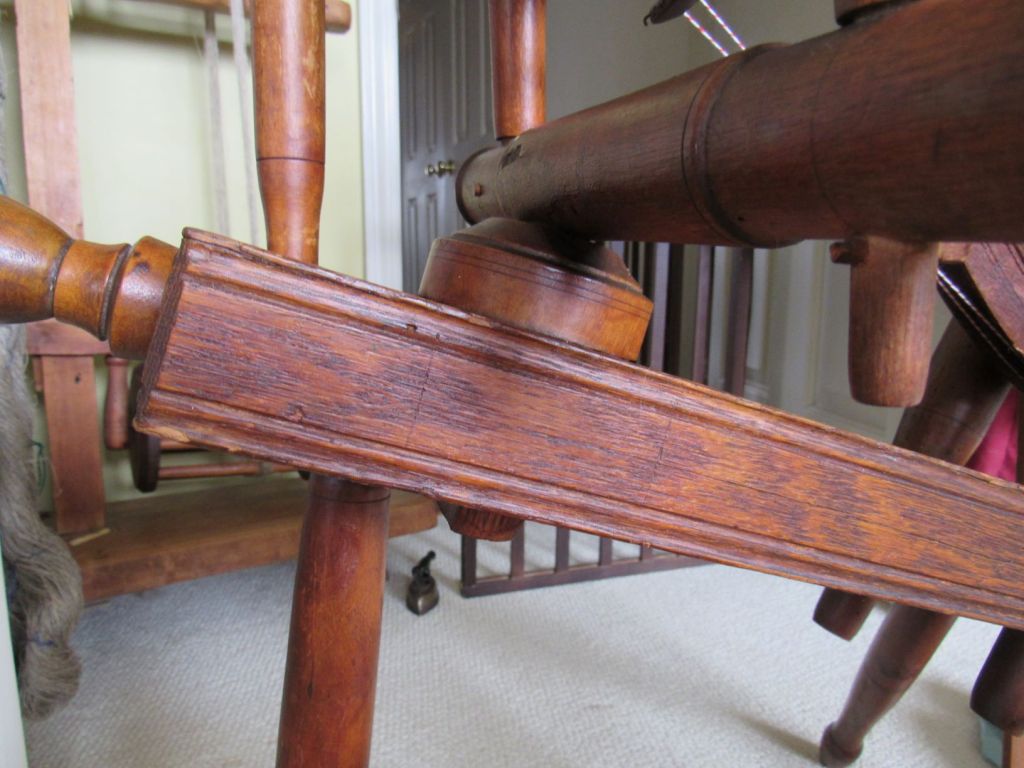
the spokes share a simple, sleek curve,

and my Alfred Lake wheel has scribe lines underneath—not the same as Cheney’s but similar.

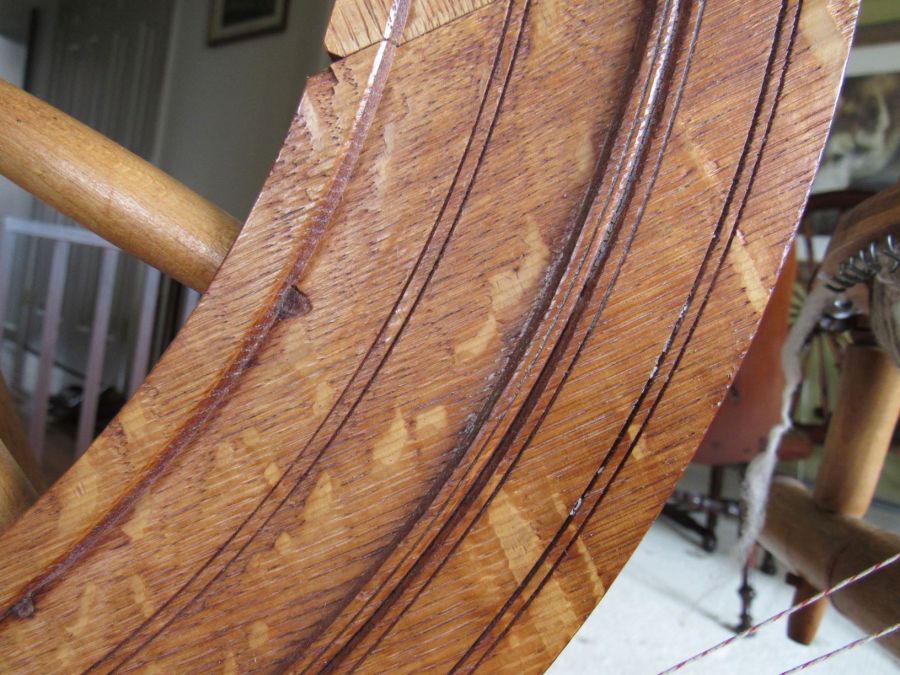
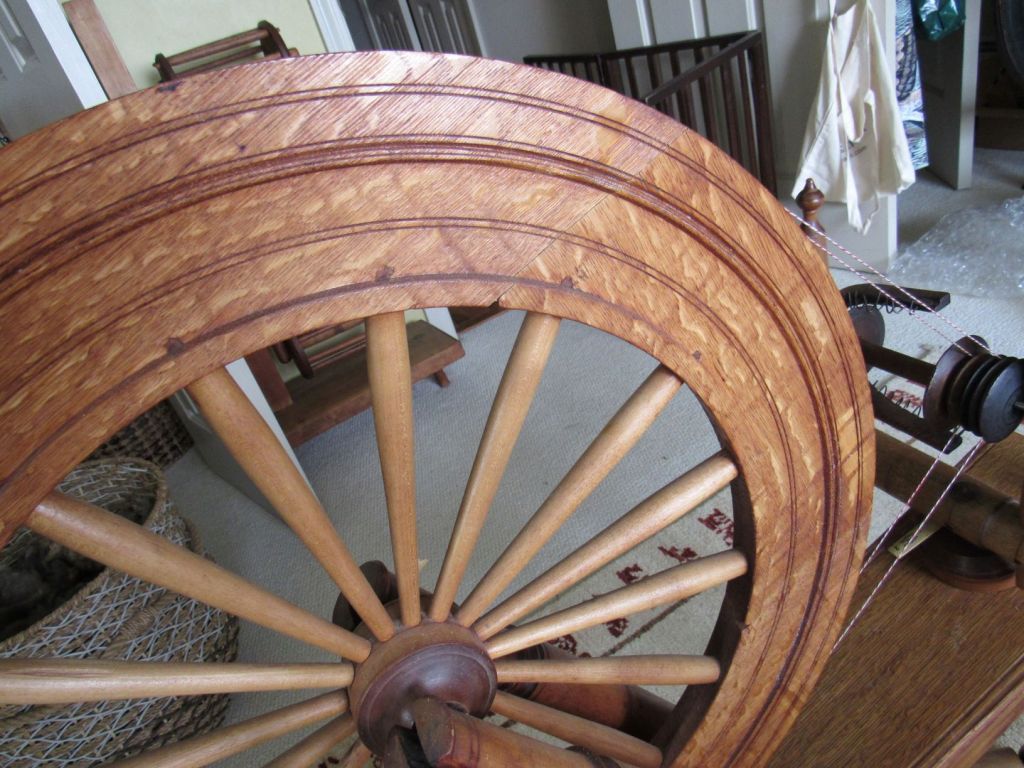
Most striking, though, is the wood.
The Alfred Lake and Sabbathday Lake Shaker wheels are known for gorgeous wood.

On my Alfred Lake wheel, the table is stunning with high contrast ray flecks. As are the Cheney tables.
From newspaper advertisements, we know that Cheney was selling wheels around 1800—about the same time the Maine Shakers started producing their wheels. So, it’s hard to say whether the Shakers were influenced by Cheney or the other way around. The Litchfield Historical Society has been very helpful in answering my questions and I’m trying to determine if any early Shaker wheel makers might have apprenticed with Cheney or if there was any other connection.
Cheney seemed to attract interesting connections—his daughter, Mary, while a schoolteacher in New York City, met and later married Horace Greeley, newspaper editor and politician of “Go West, young man!” fame. Mary was a suffragette, spiritualist, and likely suffered from depression. For me, learning these details about a wheel maker’s life imbues the wheel themselves with a rich, extra layer of appreciation and wonder.

Given that Cheney was a master furniture maker, I’m not surprised that the wheels are incredible spinners. The first Cheney wheel I found, Sweet Cicely, was on Craigslist in southern Maine. It had a big, clunky flyer assembly that didn’t fit or work with the wheel. The really odd thing about the wheel, though, was that it was in pristine condition and looked as if it had never been used.
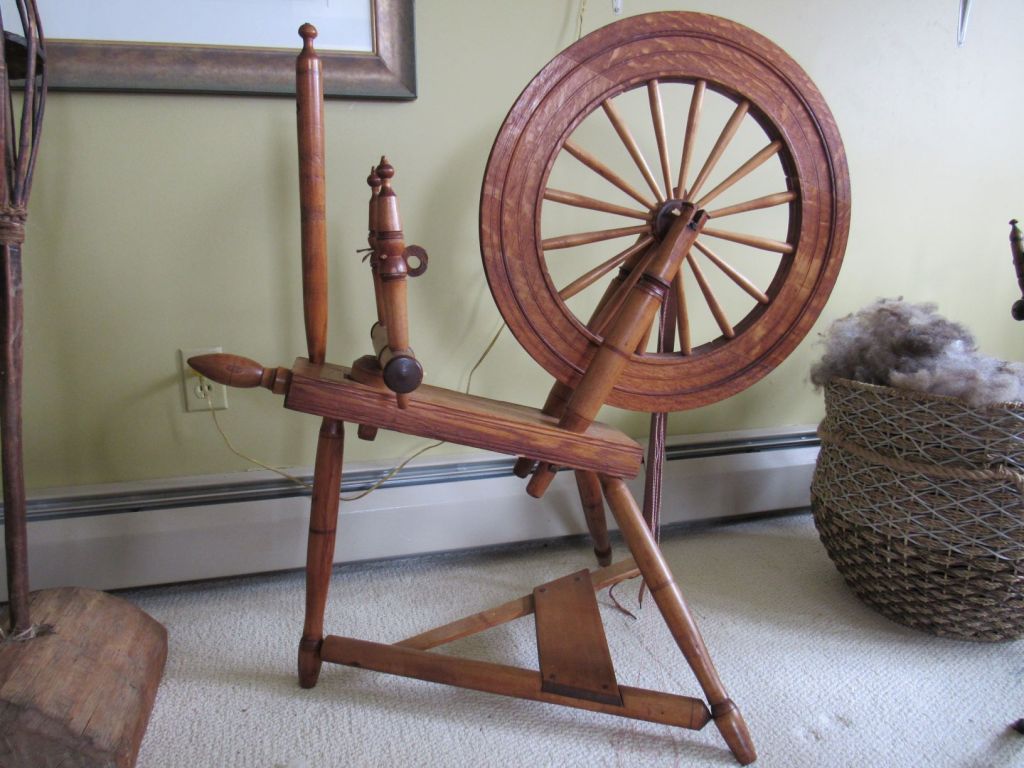
The wood is very blond, which is highly unusual for spinning wheels of the time. It’s just gorgeous and had clearly never seen the inside of a barn or attic, but had been lovingly cared for since the early 1800s. I’d love to know its history. Could it have been similar to the wedding wheels that we see from Europe—a status symbol wheel for a wealthy young bride who never actually had to use it?
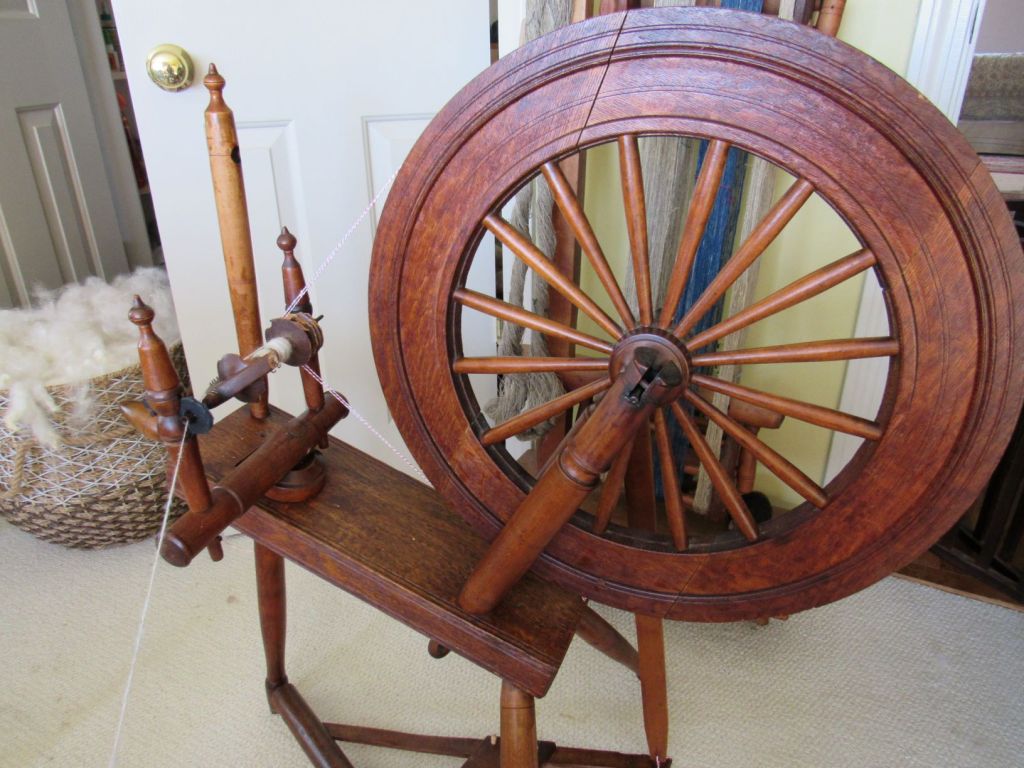
I had a flyer assembly made and Cicely started right up. Because the new mandrel has a larger orifice than most antique wheels, this wheel is my go-to for plying. The second wheel, Chancey, I bought recently from a woman in southern New Hampshire.
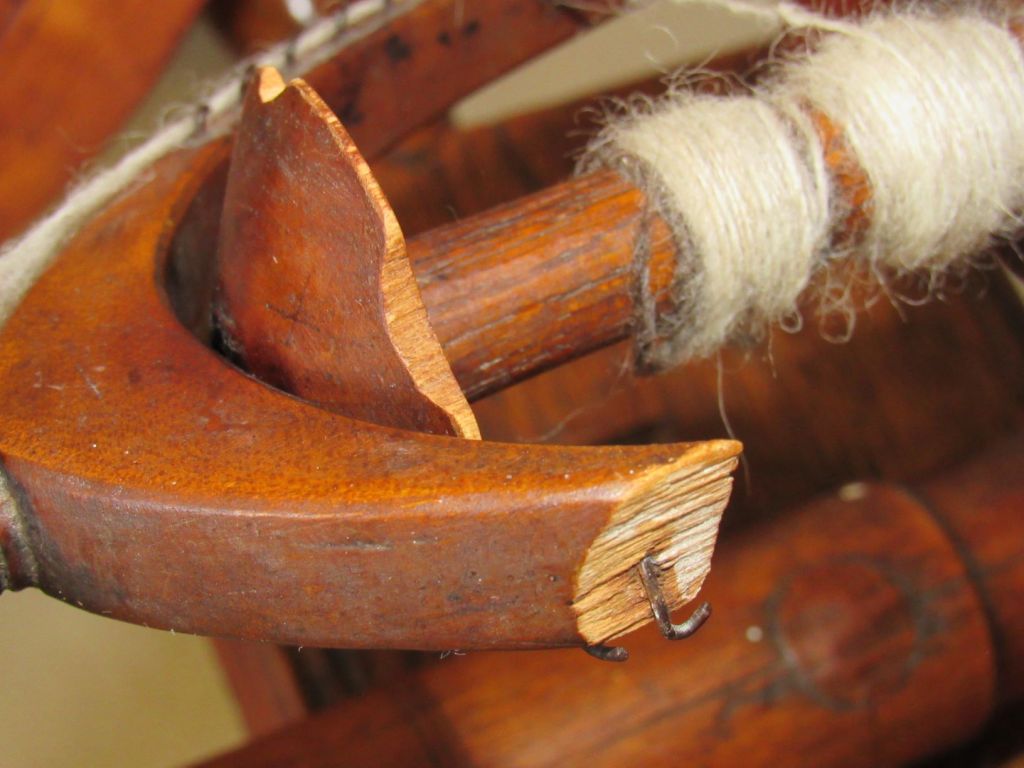
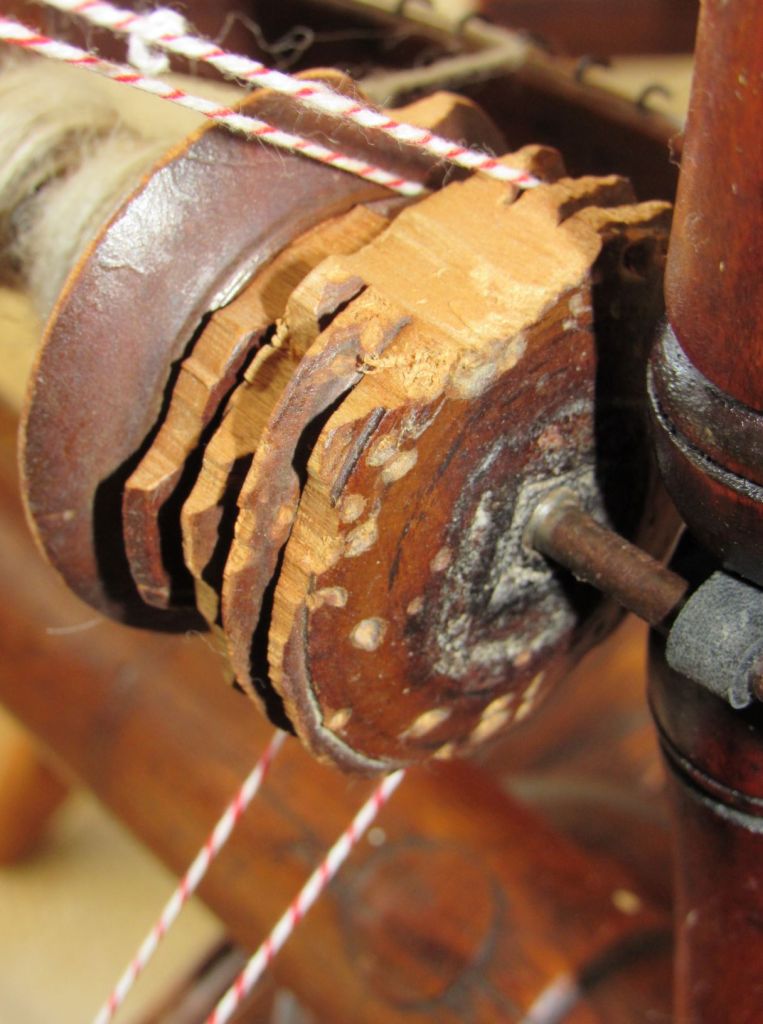
Although one flyer arm was broken and the whorl and bobbin had been chewed by a dog, I was thrilled to see that the flyer was marked with a “I,” just like the other marked parts, so it appears to be original.
After repairs to the flyer assembly, this wheel has become one of my top spinners—an absolute delight.
It is darker than Cicely, has a higher, more tilted table, and lacks the flattened sides on the wheel uprights.
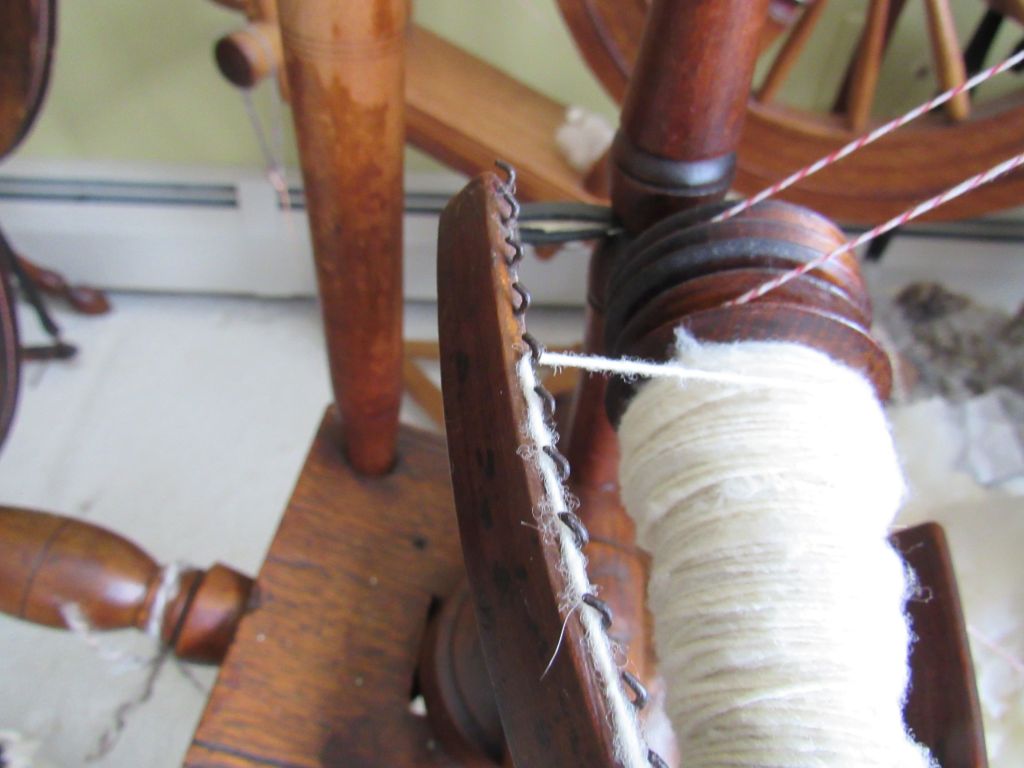
The hooks on the flyer arm are tiny—smaller than any I’ve seen before—but they work beautifully.
Aside from these two wheels, I’m only aware of two other Cheney wheels that have come to light.
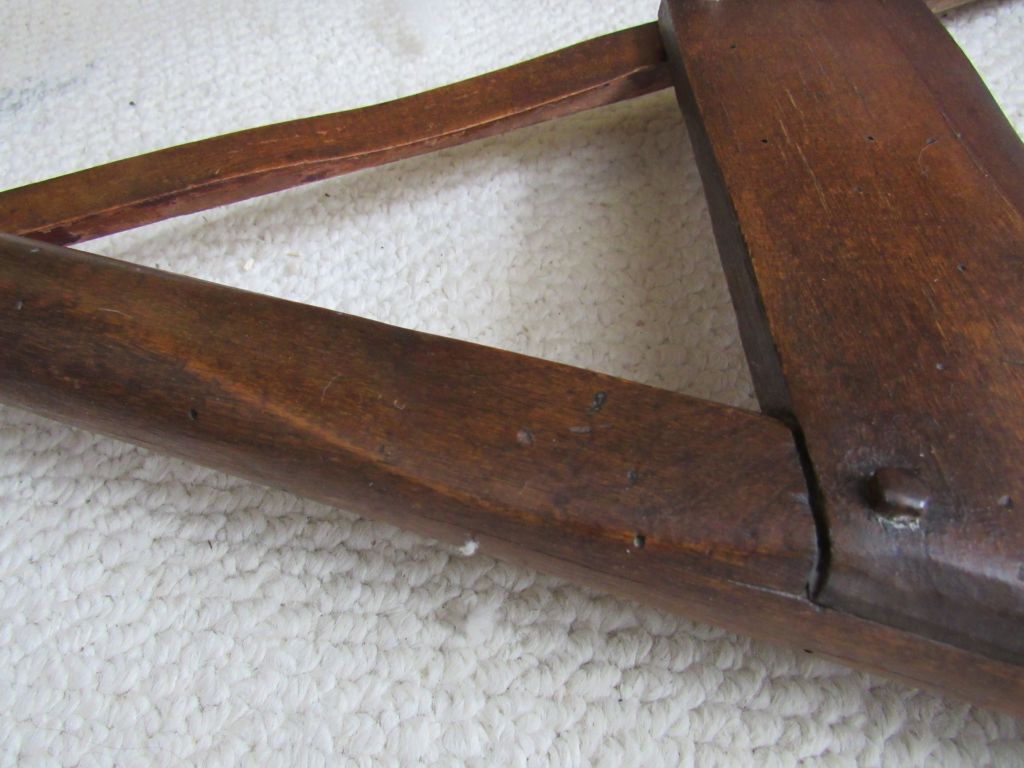
One is a great wheel in the Litchfield Historical Society’s collection and the other a flax wheel that Grace Hatton had and sold. I would love to hear of any other Cheney wheels out there.
 Exquisite Machinery