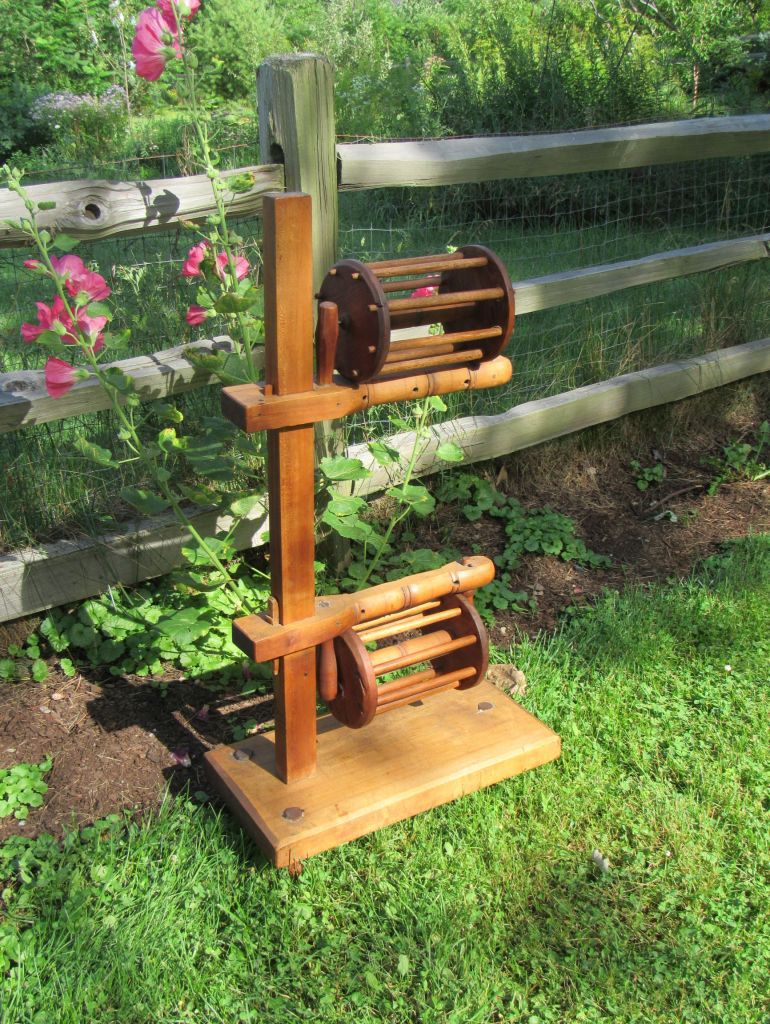
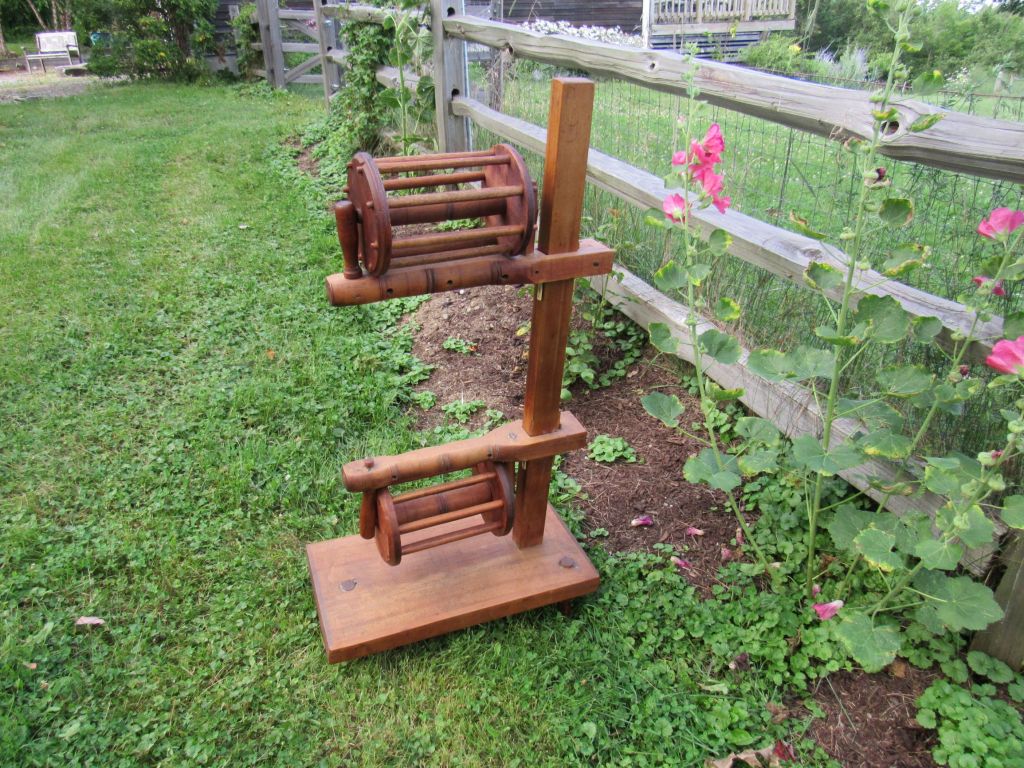
When I first saw this, I suspected it was fiber related, but had absolutely no idea what it was. It turns out this odd looking, hamster-playground-contraption is a wonderfully versatile fiber tool.

It goes by multiple names, including squirrel cage swift, drum swift, barrel swift, and wool rice.
I was puzzled by the squirrel cage name, thinking that surely our busy 18th and 19th century forebears did not have the time or inclination for caging squirrels. But a quick internet search proved me wrong. Apparently, squirrels of all kinds—gray, red, and flying—were popular household pets as early as the 1700s and as late as the Victorian period.

Some were actually leashed, while others were housed in cages complete with exercise wheels about the size of the wheels on this swift. I love how researching antique textile tools can bring to life other details of their time, like a penchant for pet squirrels.
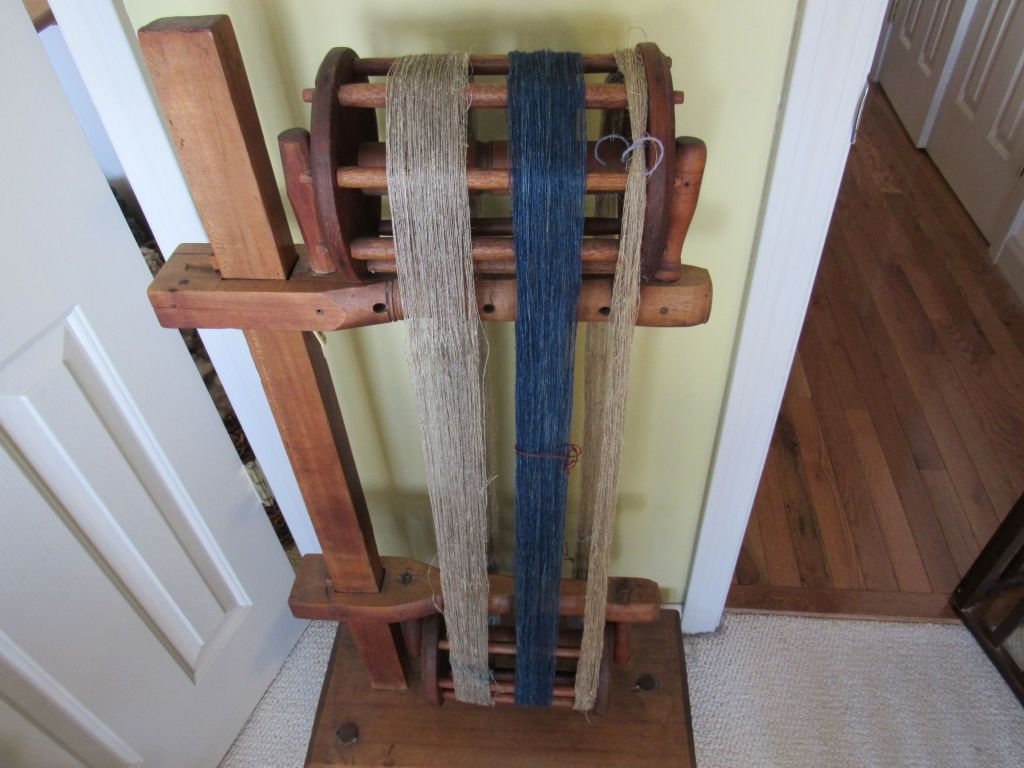
Swifts are designed to hold a skein of yarn and to turn, allowing the yarn to be easily wound off into a ball or onto a spool or bobbin for knitting or weaving.
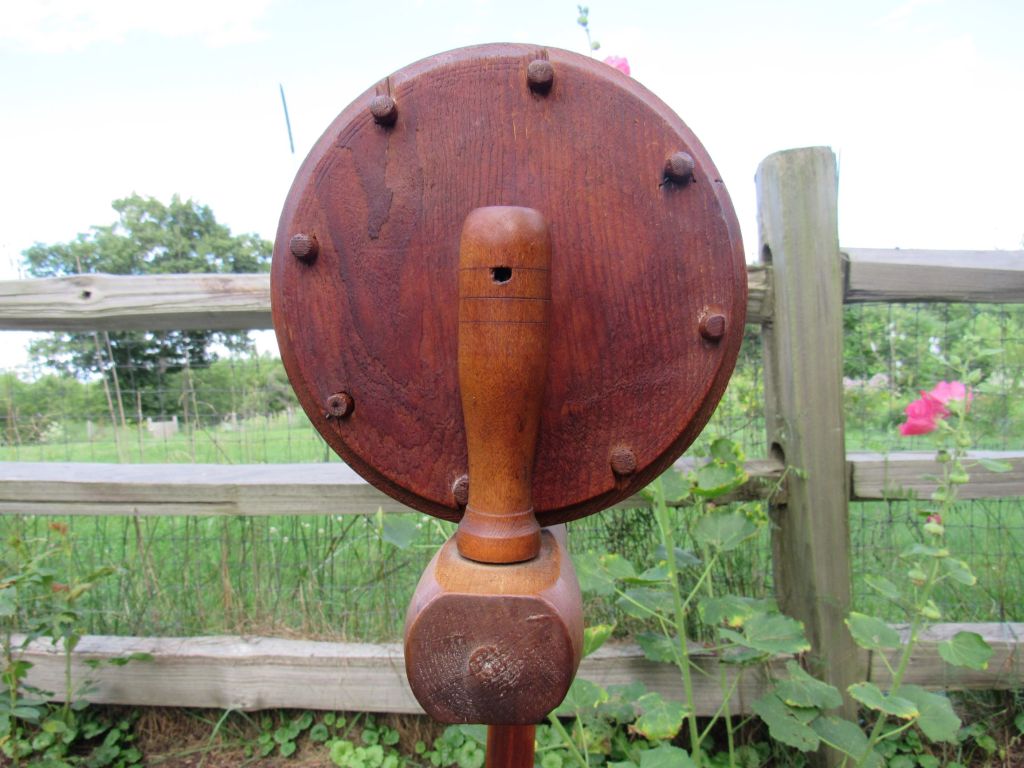
A reel or winder would have been used before the swift, to unwind the yarn from a spinning wheel and make the skein. Like most swifts, squirrel cage swifts can be adjusted so that different sized skeins will fit.

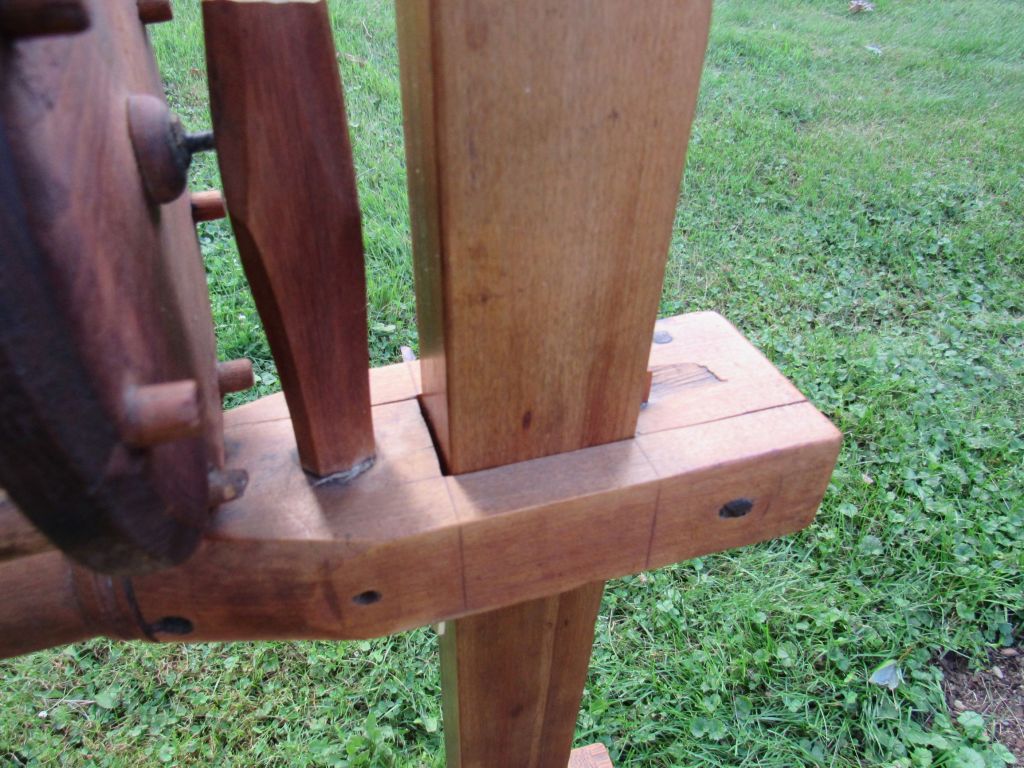
On mine, both cages are moveable and held in place with friction wedges on the opposite sides of the cages.
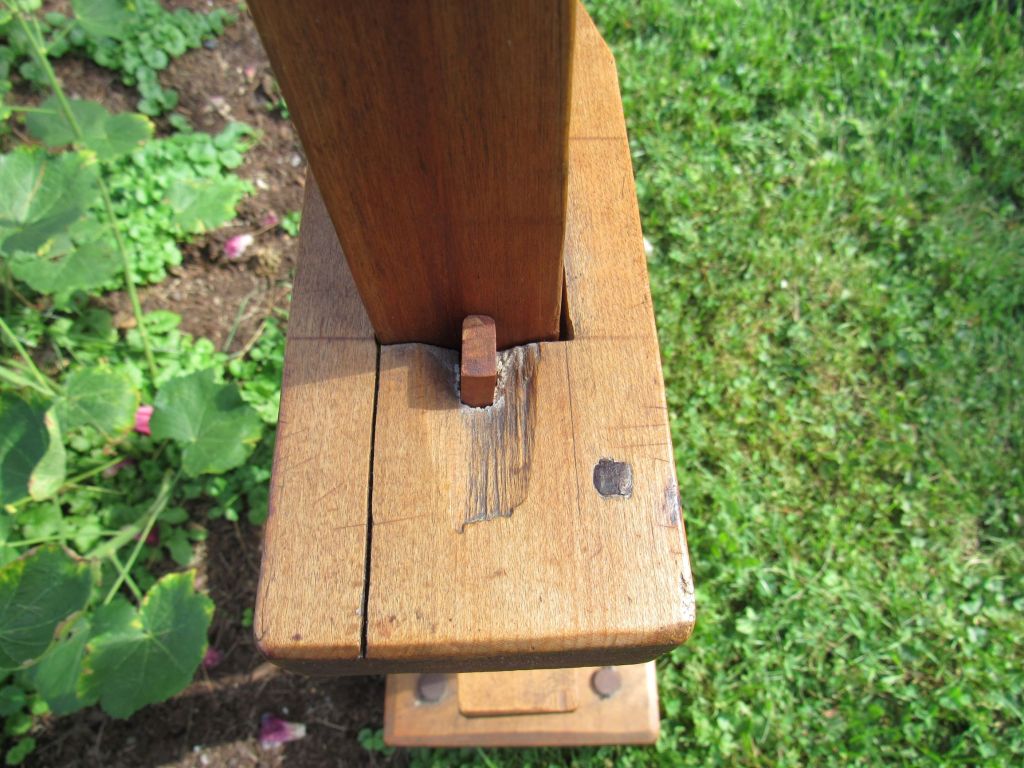
Unfortunately, if the wedges aren’t positioned just right, the top cage has a tendency to go crashing down at the slightest bump. It is quite heavy and, aside from concern that the swift will be damaged, I was afraid that it might land on a finger or two, crushing them into so many pieces.
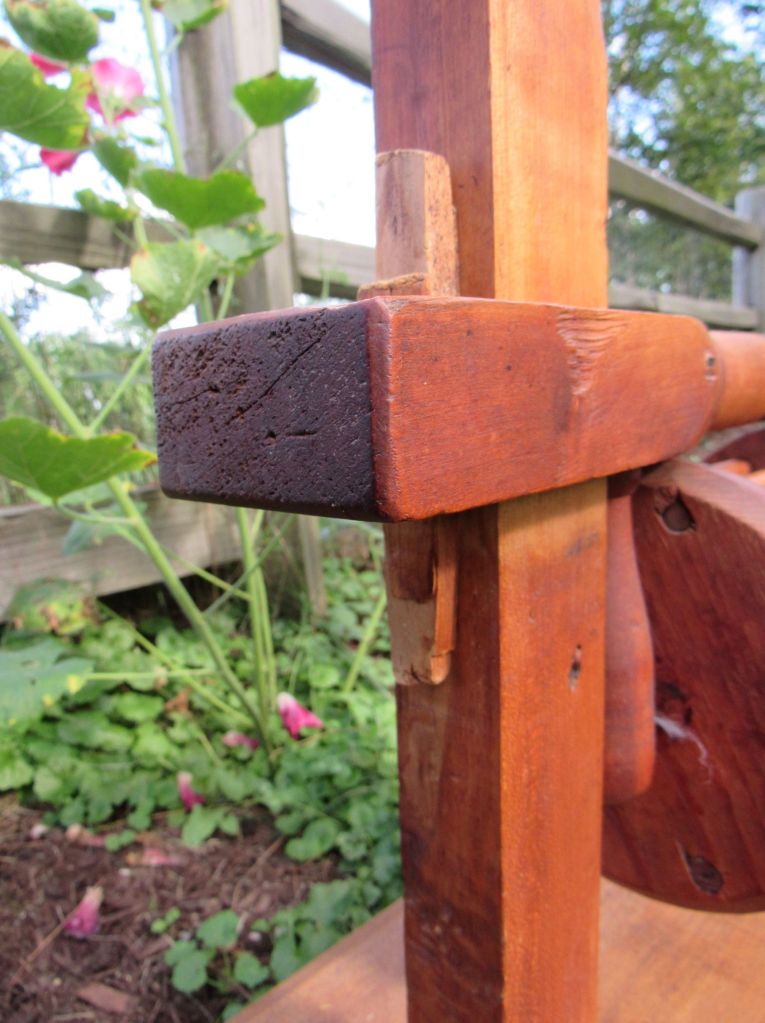
I finally learned to insert clarinet reeds as wedges underneath, which works well to keep the cages in place.

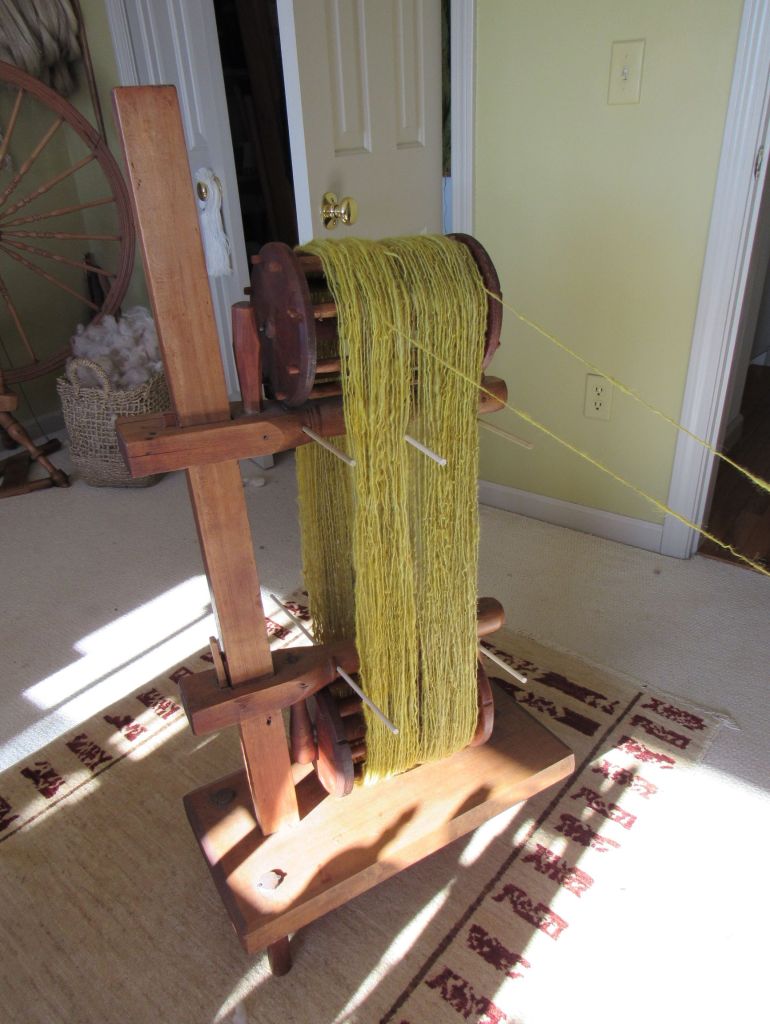
Most squirrel cage swifts have barrels big enough to fit two skeins side-by-side. That makes them ideal for plying, which is how I most often use mine. I also use it to smooth my handspun linen, running it from the swift to a reel through wet fingers or a bar of soap.
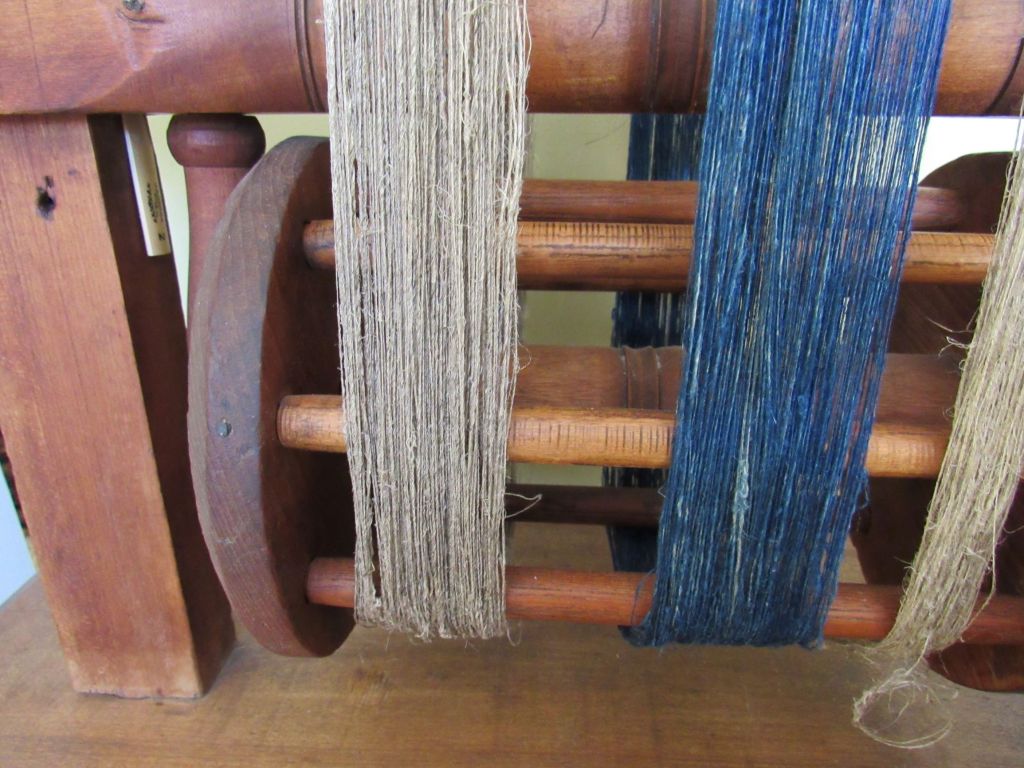
They also work wonderfully as yarn blockers. Wet skeins can be stretched to a desired tension and then periodically rotated to efficiently dry the skein by moving the wettest area at the bottom up to the top.
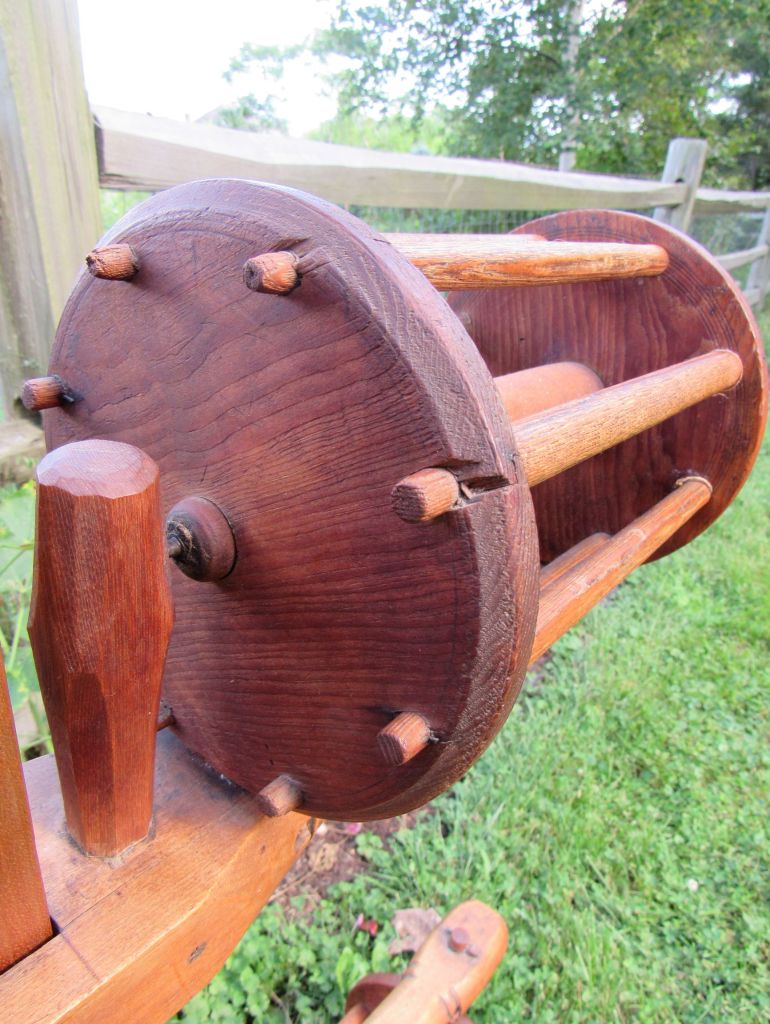
My swift, Beatrix, appeared outside of our local antique store one day, an oddity to draw in the curious. According to the store owner, it had belonged to an old woman, two towns over, who had been a weaver.

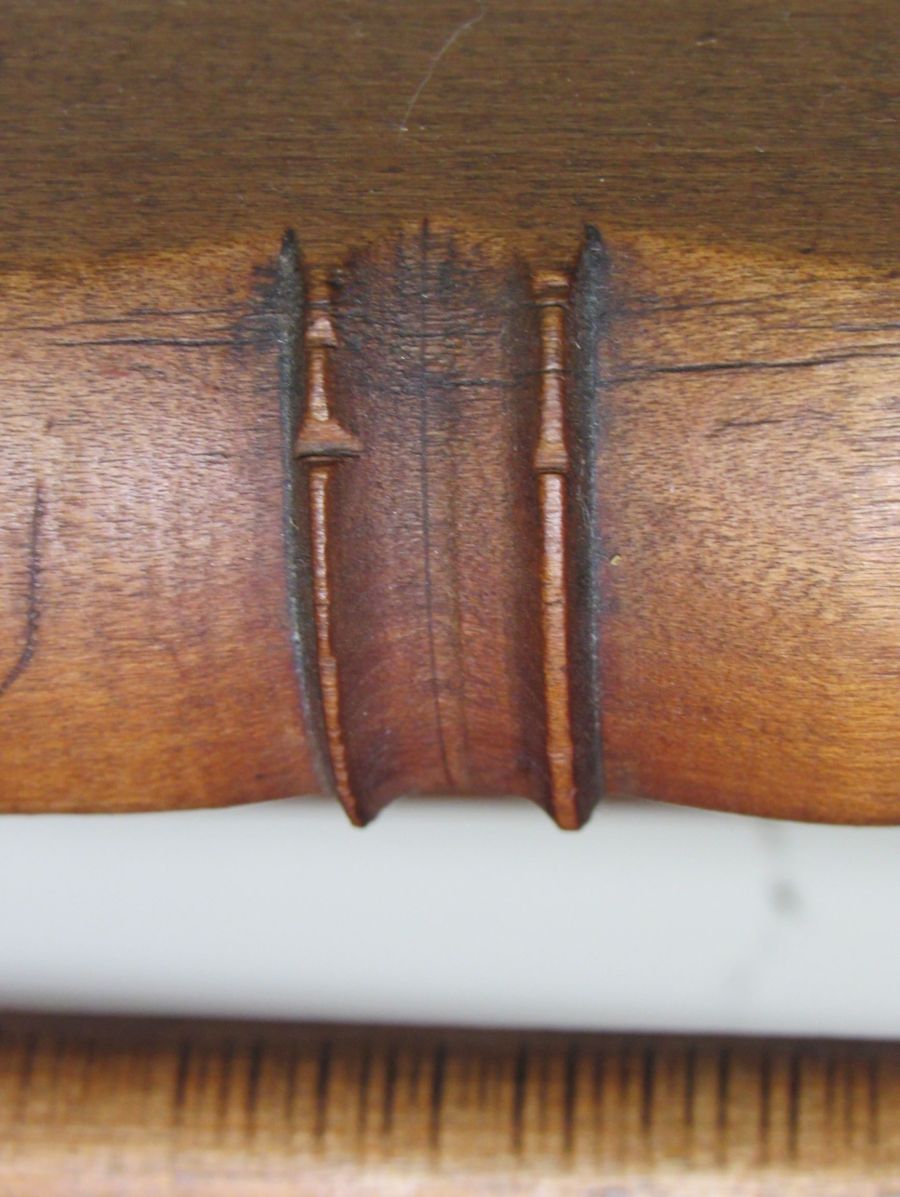
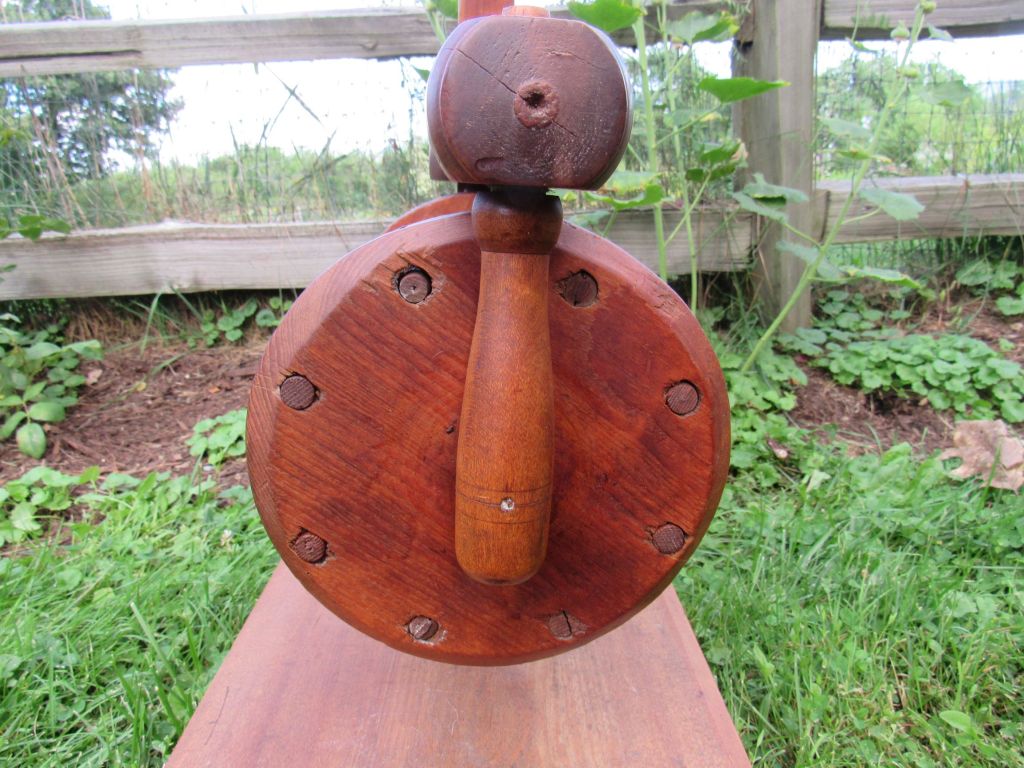
Her loom had been sold to someone on the coast, but he picked up this swift and a reel. I was smitten the deep groves on every cross bar of the cages.
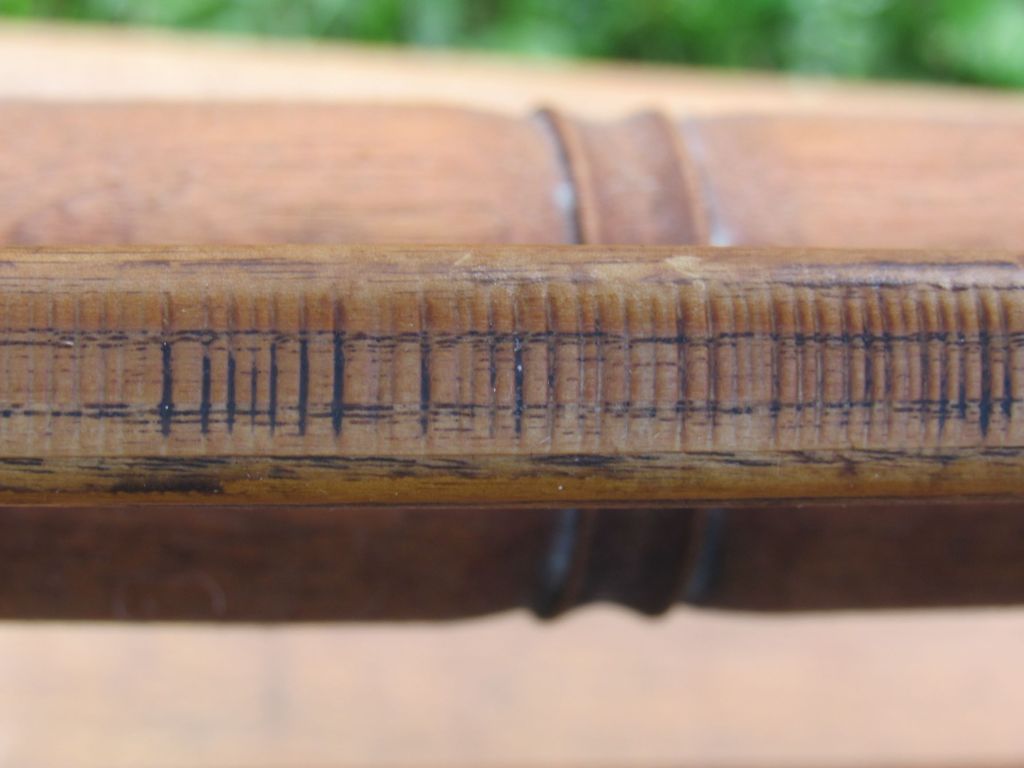
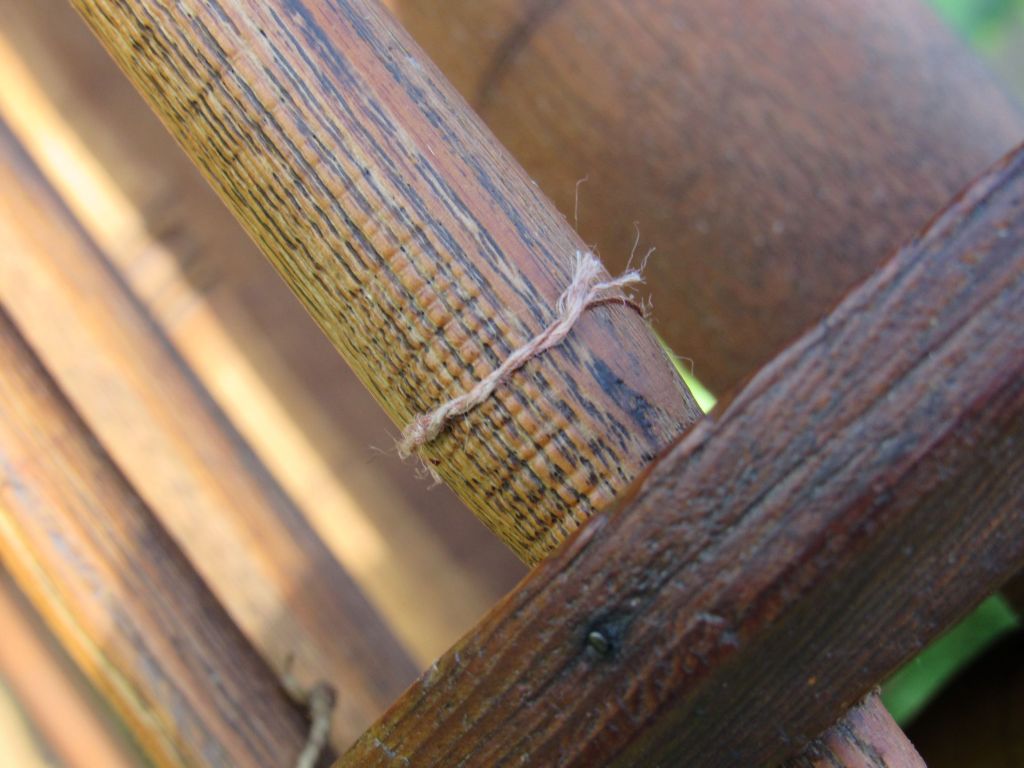
Imagine all the skeins that ran over those bars. There were some bits of linen thread tied at the edges of two bars, so I like to imagine that it saw its share of locally grown linen in its day.
But, really, I don’t anything about when it was made or by whom.
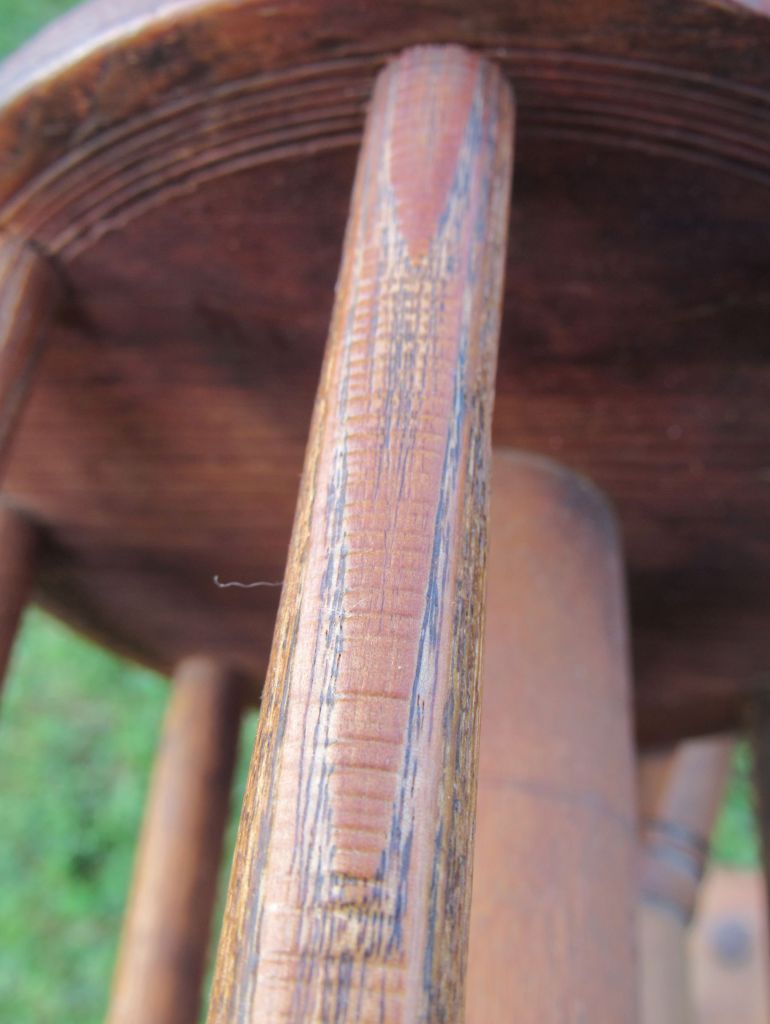
It’s very sturdy, with substantial weight and short legs, so won’t tip, no matter how it is used.

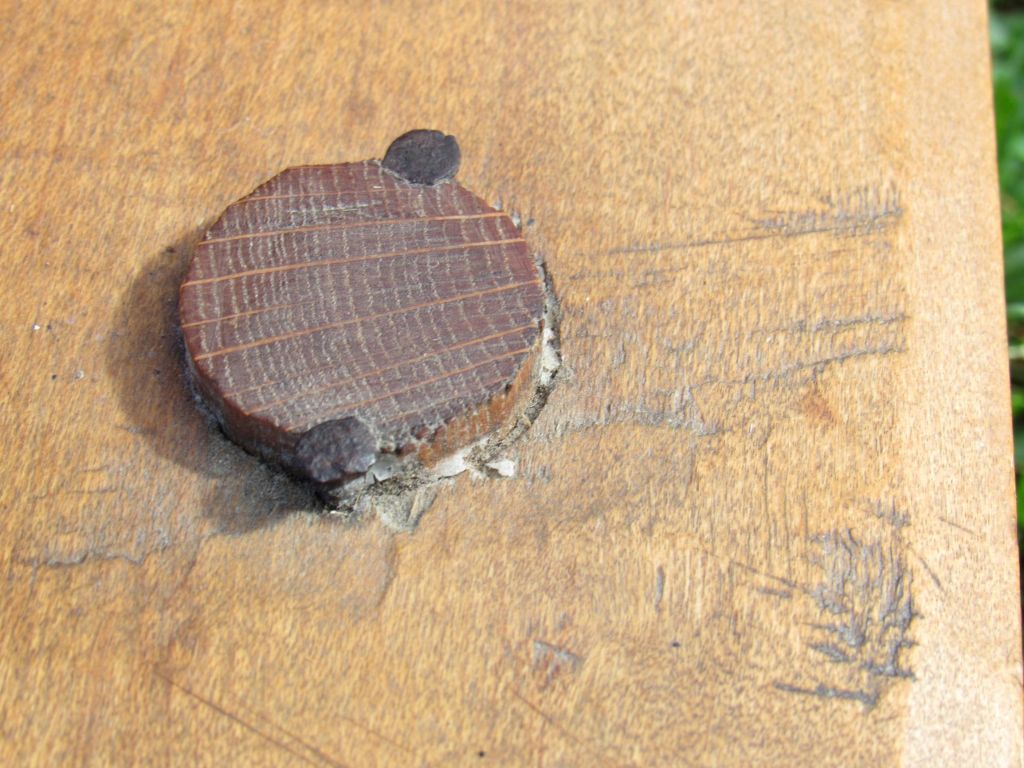
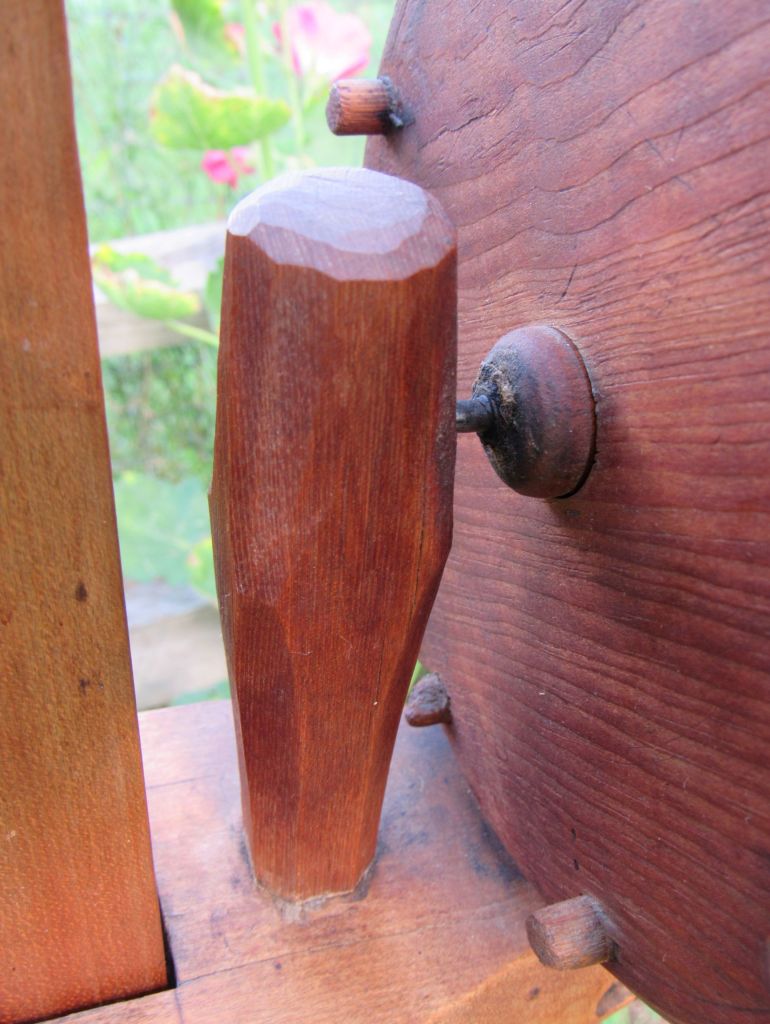
Some parts are beautifully turned, some hand carved.

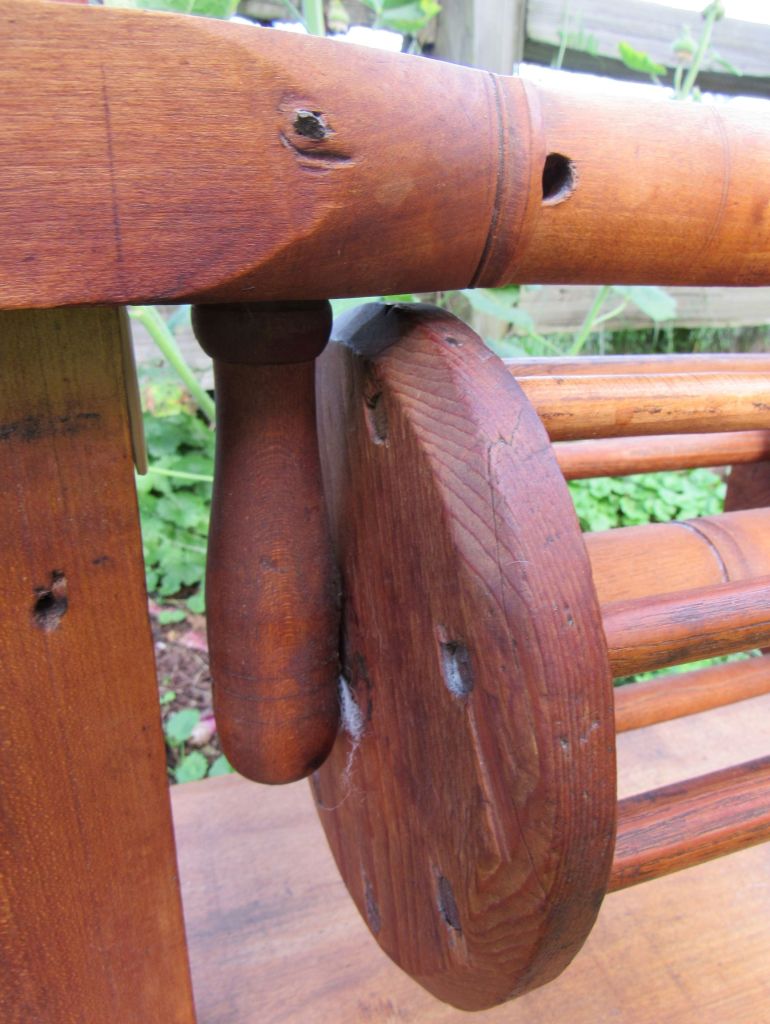
The holes in the supports under the cages are seen in other reels and swifts, and there are various theories about their purpose, but I’m not sure that anyone really knows why they are there.

These holes do not show any yarn wear marks, but they must be there for a reason. Any and all theories are welcome.
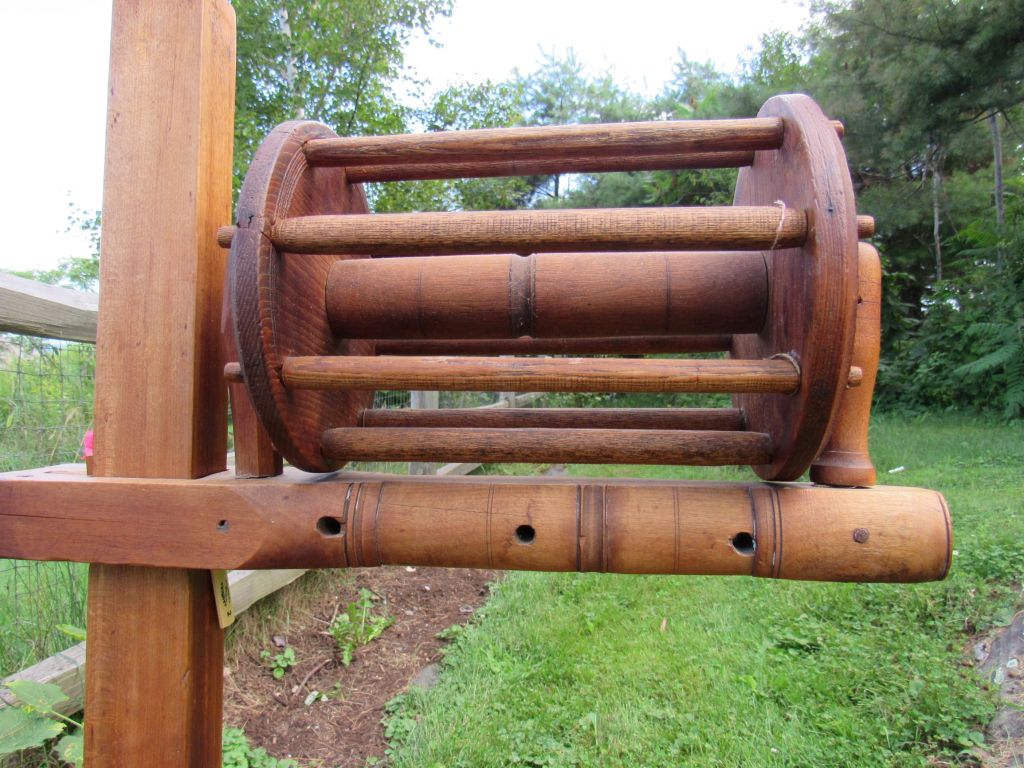
I have never seen another swift quite like this one. In fact, I have never have seen two squirrel cage swifts that were the same.
But there are a wide array of styles, so they must have been popular in their time.
Perhaps not many survived because they didn’t have the decorative appeal that allowed so many of our antique wheels to escape the burn pile.

January 2021 update: Thanks to the knowledgeable and generous woman known as whiteoakgrandma on Ravelry, the mystery of the holes in the arm supports has been solved. They are for dowels to keep the skeins separated and from slipping off (or piling up on) the ends of the cages while plying. Whiteoakgrandma learned this when she was growing up from the elders in her community in West Virginia. It works brilliantly!
 Exquisite Machinery